Wheel Coating Worth It in East Sacramento? Winter Guide
14 min readBy Neil Go · SENIOR SEO SPECIALIST
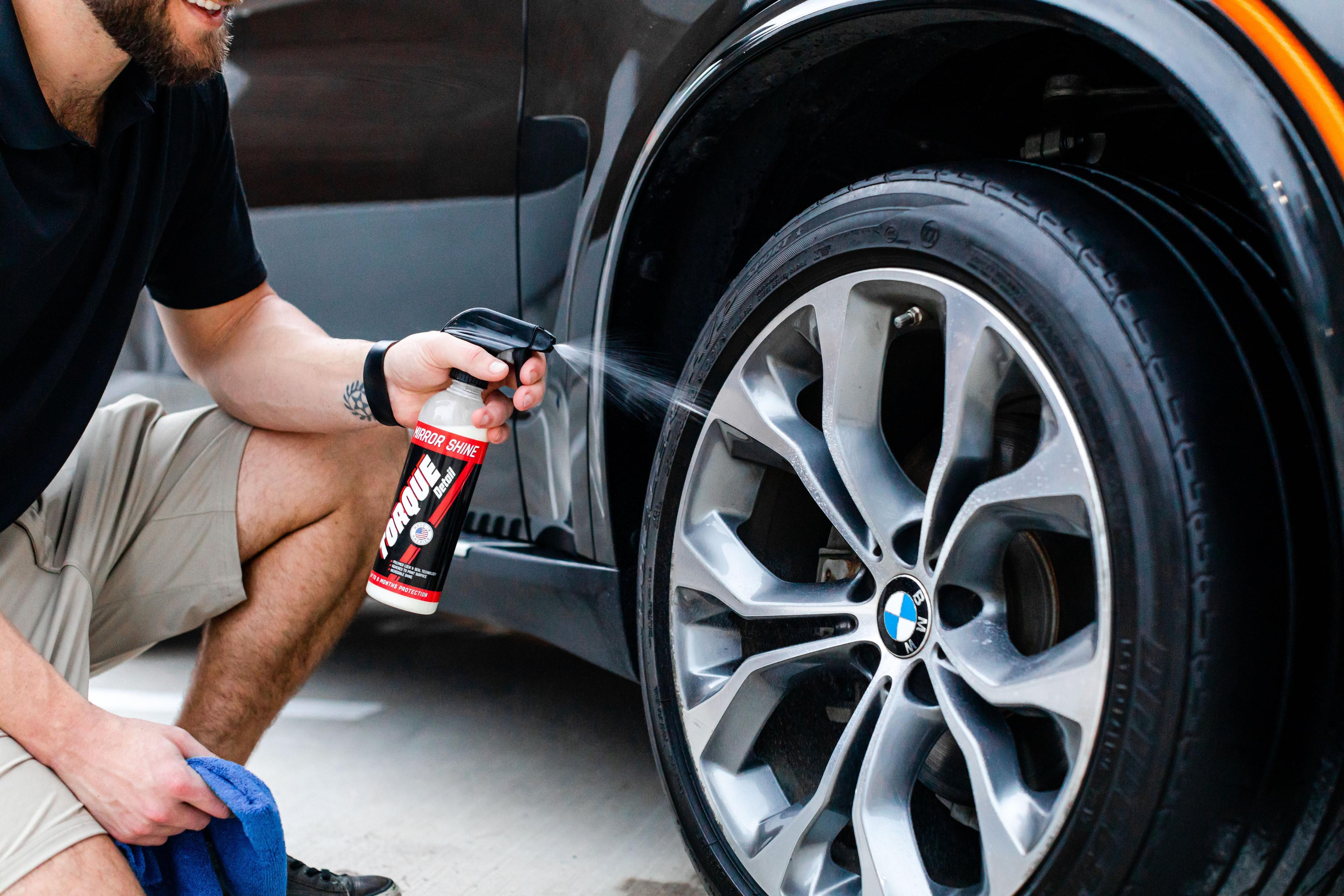
Is a wheel coating worth it in East Sacramento? If your wheels are caked with brake dust every week, it might be. Not for everyone. A coating makes grime release easier, but it isn't magic and it isn't cheap. Here is what it really does, what it costs, and how to decide before the wet season starts.
Is a Wheel Coating Worth It in East Sacramento? The Quick Answer
Let's skip the sales pitch and give you the honest version. A wheel coating is worth it for some people, and a waste for others. It tends to be worth it if you hate scrubbing wheels, your wheels show brake dust badly, you park outside, and you plan to keep the car for a few years. It's usually not worth it if you're about to sell, your wheels are already damaged, or you're on a tight budget and wash them weekly anyway.
That's the short answer. The longer one depends on your wheels, your driving, and what a coating costs where you live. And since the wet season is right around the corner, now's a smart time to decide. Winter brings rain, mud, and wet brake dust, which makes wheels filthy fast.
This guide covers what a wheel coating actually does, what it costs, who it's for, how to care for it, and how to use car wash deals to save on the rest of the job. One honest note up front: I'm not pointing to a specific wheel coating deal, since offers change. I'll show you what to look for on Carbubly and what to ask a provider.
What a Wheel Coating Is (and Isn't)
A wheel coating is a thin protective layer, usually ceramic-based, applied to a clean, prepped wheel. Wheel-specific coatings are made to handle the heat that wheels and brakes put out. When it's done right, it can:
Make brake dust release more easily. Dust sticks less, so it rinses or wipes off.
Make cleaning faster. Less scrubbing, fewer harsh chemicals.
Add gloss. Wheels look cleaner and deeper in color.
Add some chemical resistance. It helps protect against cleaners and road grime.
But let's be clear about what it doesn't do:
It doesn't stop brake dust. Your brakes still make it. It just doesn't stick as hard.
It isn't scratch-proof. Curb rash, gravel, and rough cleaning can still damage wheels.
It doesn't last forever. Durability varies by product, prep, and care.
It doesn't replace washing. Coated wheels still need regular cleaning.
It can't fix existing damage. Pitting, corrosion, and curb rash need repair first.
Think of a coating as an easier-maintenance upgrade, not armor.
Why Wheels Get So Dirty
Wheels live in the worst spot on the car. They sit right next to the brakes, close to the road, and low enough to catch everything the tires throw.
Brake dust. When brake pads wear, they shed fine metallic particles that stick to wheels.
Road film. Oil, grime, and tar get thrown up by the tires.
Heat. Brakes get hot, and heat bakes dust onto the surface.
Water and mud. Rain turns dust into a gritty sludge that dries into a crust.
Cleaning chemicals. Harsh wheel cleaners can dull some finishes.
Brake dust is also not just a cosmetic issue. Left on the wheel for a long time, it can bond to the surface and, in some cases, contribute to pitting or staining on certain finishes. That's one reason regular cleaning matters.
East Sacramento Conditions
East Sacramento is a neighborhood of older homes and, in many places, big mature trees and tree-lined streets. If you park on the street or under trees, your wheels also pick up leaves, sap, and sprinkler spray, plus the usual brake dust from stop-and-go driving.
The National Weather Service Sacramento office can tell you about rain and storm conditions around the region. When the wet season arrives, wet roads mix with brake dust and mud, and wheels get dirtier faster than at any other time of year. That's why many people think about wheel protection before winter instead of after.
What Does a Wheel Coating Cost?
Prices vary a lot, so treat anything here as a rough guide, not a quote. What affects the price:
Wheel size and number. Bigger wheels and more of them cost more.
Wheels on or off. Removing wheels takes more time, and usually costs more.
Prep work. Cleaning, decontaminating, and polishing wheels adds labor.
The product. Professional-grade coatings cost more than consumer kits.
The shop. Experience and reputation matter.
Wheel condition. Damaged or heavily corroded wheels need repair first.
As a made-up example, a DIY wheel coating kit might run $30 to $80. A professional application might run a couple hundred dollars or more for a set of four, depending on the factors above. Always get a written quote, and ask what's included.
When a Wheel Coating Is Worth It
It's more likely to be worth it if:
Your wheels show brake dust badly. Light-colored and bright finishes show dust fast.
You hate cleaning wheels. The time you save counts.
You park outside or on the street. More exposure means more dirt.
You plan to keep the car for years. The benefit spreads over time.
Your wheels are in good condition. A coating is best on clean, undamaged wheels.
You have expensive or special wheels. Protecting them can make sense.
You'd otherwise use harsh cleaners. A coating lets you use gentler products.
When It's Probably Not Worth It
It's less likely to pay off if:
You're selling soon. You won't get the benefit.
Your wheels are damaged. Curb rash, pitting, or peeling needs repair first.
You wash your wheels often and don't mind. You're already doing the work.
Your budget is tight. Regular cleaning with a gentle product works fine.
Your wheels are dark and low-dust. Less dust shows, so the payoff is smaller.
You expect it to be maintenance-free. It isn't.
Wheels On vs Wheels Off
There are two main ways to apply a wheel coating.
Wheels on the car: Faster and cheaper. The installer works around the tires and brakes. The downside is that hard-to-reach areas, like the inner barrel, may get less coverage.
Wheels off the car: More thorough, since the installer can coat the whole wheel, including the face and the inner barrel. It costs more and takes longer.
Which is better depends on your budget and how much you care about thorough coverage. Ask the installer how they do it and what's included.
Prep Matters More Than the Product
A coating is only as good as the surface under it. A proper process usually includes:
A thorough cleaning to remove dirt and old dressings
Decontamination to remove bonded brake dust and iron particles
Polishing, if needed, to smooth minor imperfections
A final wipe-down to remove oils and residue
Careful application of the coating
Curing time, during which the wheels should stay dry and clean
If a shop skips the prep, the coating won't bond well and won't last. It's fair to ask what steps they follow.
How to Wash Coated Wheels
Once your wheels are coated, treat them well.
Use a pH-balanced wheel cleaner made for your wheel type. Avoid harsh acids and strong alkaline products unless the installer says they're fine.
Use soft brushes and clean mitts. Not abrasive pads.
Rinse well. Let water do much of the work.
Wash regularly. Every one to two weeks is a good rhythm in winter.
Wash wheels when they're cool. Hot wheels cause spotting and can damage some cleaners.
Follow your installer's care instructions. Especially during the cure period.
If you wash at home, remember that soapy runoff can flow into storm drains. The EPA explains how runoff affects local waterways, which is one reason a professional wash is often the greener choice.
Alternatives to a Full Wheel Coating
If a full coating isn't right for you, there are cheaper options.
Wheel sealant or wax. A simpler, shorter-lasting protective layer.
Ceramic spray for wheels. Easy to apply, with a shorter lifespan.
Regular cleaning with a gentle product. The simplest option, and often enough.
Prompt cleaning after rain and heavy braking. Less buildup means less work.
Wheel repair first, protection later. If your wheels have damage, fix it before anything else.
For many drivers, regular gentle cleaning plus a sealant does most of what a coating would, at lower cost.
Questions to Ask a Provider Before You Book
A quick checklist can save you from disappointment:
What product do you use, and what's it designed for?
Do you apply it with the wheels on or off the car?
What prep do you do, and is decontamination included?
How long does the coating typically last in real-world use?
Is there a warranty, and what does it cover?
Will it work on my wheel finish (painted, polished, chrome, matte, or other)?
What are the care instructions and cure time?
What does it cost for all four wheels, and are there extra fees?
Do I need an appointment, and how long will it take?
A good provider will answer clearly and honestly, including saying when a coating isn't a great fit.
How to Find East Sacramento Car Wash Deals Around Wheel Care
Now the money part. Even if a wheel coating isn't on deal, you can save on the washing and detailing that goes with it. Here's my checklist:
Read what's included. Many washes include wheel cleaning, but the depth varies.
Look for hand wash or detail options. They tend to give wheels more attention.
Ask about wheel add-ons. Deep wheel cleaning, decontamination, and coatings are often separate services.
Check for size fees. SUVs and trucks may cost more.
Look at the terms. Expiration, appointments, and how to redeem.
Confirm the business. Look for a named provider with a real address.
Carbubly describes itself as a marketplace connecting drivers with participating independent car wash and detailing businesses, and says drivers can save up to 70%. You buy a deal, find the QR code in My Orders, and show it at the participating car wash, per the FAQ and How It Works page. Offers vary by city and change often, so check the locations page for what's available around East Sacramento. You can also browse hand wash options and full-service detailing. I didn't see a wheel coating deal specifically while writing this, so ask providers directly about wheel services.
For a nearby example of the kind of info you want, Bubble Bee Car Wash in Citrus Heights says on its Carbubly provider page that it offers detailing and ceramic coating, which it suggests booking ahead. It lists hand wash packages from $30 to $60 and notes that larger vehicles may have an extra $15 charge. I can't tell you whether it coats wheels specifically, so ask. It's in Citrus Heights, not East Sacramento, and its listed weekday hours end around 5 or 6 PM, so confirm before you go.
If you want to know more about the platform, the About page explains who's behind it.
The Math: Does a Wheel Coating Pay Off?
Let's try a made-up example. Prices vary, so use your own.
Say a professional wheel coating costs $300 for four wheels. Without it, you spend about 20 minutes cleaning your wheels every two weeks, or about 17 hours a year, and you use a good wheel cleaner and brushes that cost $40 a year.
With a coating, say cleaning takes 10 minutes and you use gentler, less product, saving about $20 a year.
Time saved: about 8 hours a year
Product saved: about $20 a year
If the coating lasts 2 years: 16 hours and $40 saved against a $300 cost
In dollars alone, that doesn't pay off, which is why a coating is often a convenience and protection choice, not a money-saving one. The value is in the time, the looks, and the protection for expensive wheels. If your time is valuable and you hate wheel cleaning, it may be worth it. If you don't mind the work, probably not.
Now let's look at the supporting washes. Say you wash every two weeks in the wet season, about 8 washes over four months, at $30 each:
Full price: $240
With a 30% deal: $168
Savings: about $72
That's where deals help the most, so you can pay less for the routine that keeps wheels and paint clean.
Mistakes to Avoid
Coating damaged wheels. Fix curb rash, pitting, and corrosion first.
Skipping the prep. The coating won't bond or last.
Expecting a coating to stop brake dust. It makes it easier to remove, nothing more.
Using harsh wheel cleaners. They can wear down the coating.
Washing hot wheels. Spots and damage.
Buying based on price alone. Cheap coatings and rushed jobs can disappoint.
Not asking about warranty and care. Know what you're getting.
Buying a deal without reading it. Check what's included.
For local city information, the City of Sacramento website is a good starting point.
A Note for Sacramento Car Wash and Detailing Owners
If you offer wheel coatings or deep wheel cleaning, say exactly what's included. Mention whether wheels come off, what prep you do, how long the coating typically lasts, and any warranty. Clear, honest descriptions help customers decide, and they set realistic expectations. A "pre-winter wheel protection" package could be a smart seasonal offer. The Carbubly business page explains how to list your deals with zero upfront cost, and the articles hub has more guides for drivers and owners.
The Bottom Line on a Wheel Coating in East Sacramento
So here's the takeaway. A wheel coating makes brake dust and grime easier to clean, adds gloss, and protects nice wheels, but it isn't magic, and it isn't cheap. It makes the most sense if your wheels are in good shape, you hate cleaning them, you park outside, and you plan to keep the car. If you're selling soon, your wheels are damaged, or your budget is tight, regular gentle cleaning and a sealant may be all you need.
If you do go for it, ask about prep, product, wheels on or off, warranty, and care. And use deals to save on the washing and detailing that keep everything looking good.
Ready to look around? Head to the Carbubly homepage and see what's available near you.
Frequently Asked Questions About Wheel Coatings in East Sacramento
1. Is a wheel coating worth it?
It can be, especially if your wheels show brake dust badly, you hate cleaning them, and you plan to keep the car for years. It's less worthwhile if you're selling soon, your wheels are damaged, or your budget is tight.
2. What does a wheel coating do?
It adds a thin protective layer that helps brake dust and grime release more easily, makes cleaning faster, and adds gloss. It doesn't stop brake dust, prevent scratches, or replace regular washing.
3. How long does a wheel coating last?
It varies by product, prep, and care. Some last months and others last a couple of years or more. Ask the installer what to expect in real-world use and whether there's a warranty.
4. How much does a wheel coating cost?
Prices vary widely. A DIY kit might cost tens of dollars, while a professional application for four wheels can run a couple hundred dollars or more, depending on wheel size, prep, and whether the wheels come off. Get a written quote.
5. Is it better to coat wheels on or off the car?
Wheels off allows more thorough coverage, including the inner barrel, but costs more and takes longer. Wheels on is faster and cheaper but may cover hard-to-reach areas less. Ask the installer what they do.
6. Can I coat wheels that have curb rash or pitting?
It's best to repair damage first. A coating doesn't fix curb rash, pitting, or corrosion, and it can lock in the problem. A wheel repair shop can advise.
7. How do I clean coated wheels?
Use a pH-balanced wheel cleaner made for your wheel type, soft brushes, and plenty of rinsing, and wash when the wheels are cool. Avoid harsh acids and strong alkaline products unless your installer says they're okay.
8. Is a wheel coating better than a wheel sealant?
Coatings are usually more durable but cost more and need better prep. Sealants and sprays are simpler and cheaper but wear faster. The right choice depends on your budget and how long you want the protection to last.
9. Does Carbubly have wheel coating deals in East Sacramento?
I didn't see a wheel coating deal specifically while writing this. Offers change and vary by city, so check Carbubly's locations page and ask providers directly about wheel services.
10. How do I know a car wash deal is legit?
Look for a named business with a real address, clear terms, secure payment, and an easy way to redeem. Carbubly lists participating local providers, and each deal page shows the details before you buy.