Undercarriage Car Wash in Roseville: Winter Mud Cleanup
12 min readBy Neil Go · SENIOR SEO SPECIALIST
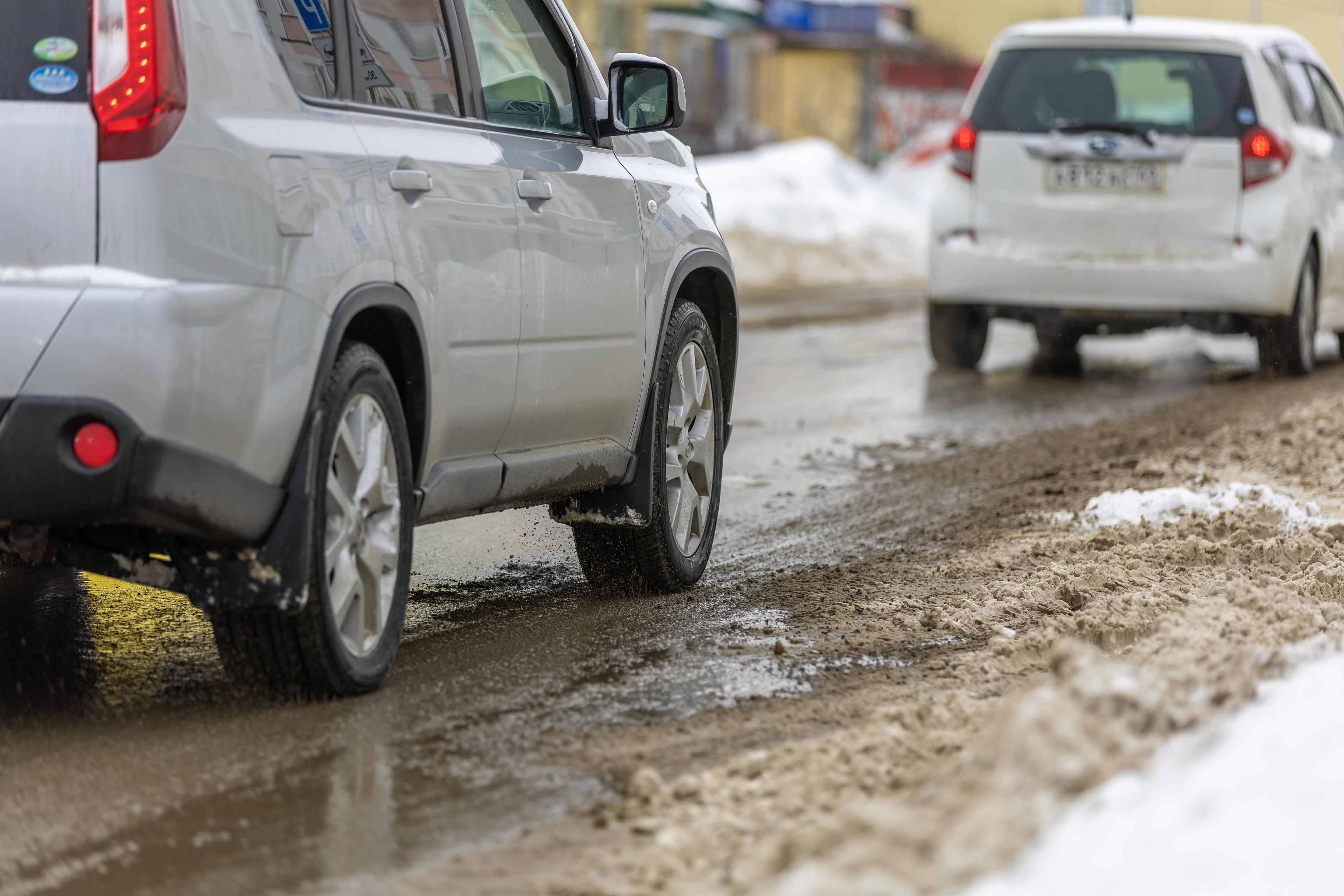
An undercarriage car wash in Roseville is the winter job most people forget, because mud hides where you can't see it. Wheel wells and the underbody trap wet mud and dirt, and trapped moisture invites rust. Here's how to clean them safely, when a pro can help, and how to find deals that include it.
Undercarriage Car Wash in Roseville: Why the Hidden Parts Need Attention
Picture this. You wash the car, and it looks great. Shiny paint, clean windows, bright wheels. You pat yourself on the back and drive away. Meanwhile, under the car and tucked behind each tire, there's a thick layer of mud, packed into every nook and held there by moisture. Out of sight, out of mind, right up until it matters.
Winter makes this worse. After a long dry summer, the first rains turn dust into mud. Construction sites, dirt shoulders, wet leaves, and puddles all contribute. And if you head to the mountains, you may pick up even more. All of it collects on the underbody and in the wheel wells, where it sits damp and slowly works against your car.
This guide covers what's down there, why it matters, how to clean it safely, when to leave it to a pro, and how to use car wash deals to cover it. One honest note: I'm not pointing to a specific Roseville deal, since offers change. I'll show you what to look for on Carbubly.
What's Actually Under Your Car
The underside of a car is a busy place. Depending on your vehicle, you'll find:
The exhaust system. Pipes, mufflers, and hangers.
Suspension and steering parts. Arms, springs, shocks, and joints, many with rubber boots.
Brake lines and fuel lines. Often steel, and exposed to moisture.
The frame or subframe. The structure that holds everything.
Underbody shields and panels. Plastic or metal covers.
Wheel wells and inner fender liners. The curved areas around each tire.
Drive components. Axles, driveshafts, and differentials on many vehicles.
On electric vehicles, a battery pack protected by a shield. Check your owner's manual for underbody cleaning guidance.
All of these parts get hit by water, mud, and road debris, and many aren't designed to sit wet and dirty for long.
Why Winter Mud Is More Than Just Dirty
Mud isn't harmless. Here's why it's worth cleaning.
It holds moisture. Wet mud packed against metal keeps it damp, which can speed up corrosion.
It hides problems. Leaks, damage, and rust can go unnoticed under a layer of dirt.
It adds weight and drag. A heavy buildup in wheel wells isn't good for anything, though the effect is usually small.
It can trap rocks and debris. Stones lodged in wheel wells or around brakes can make noise or cause wear.
It grinds. Gritty mud around suspension joints and boots can speed up wear.
It builds up. A little each rain adds up to a lot.
Rust is the main long-term concern. Sacramento isn't a heavy road-salt area like places with harsh winters, but mud and moisture still matter, and mountain trips can bring salt into the mix.
Road Salt and Mountain Trips
If you drive to Tahoe or the Sierra in winter, you'll likely encounter roads treated with salt, brine, or other de-icing products. These can speed up corrosion on exposed metal parts. The Caltrans website has information on winter road conditions. After a trip like that, an underbody rinse is a smart move, ideally within a few days.
The National Weather Service Sacramento office can tell you about our valley rain and fog, which matters for timing your washes between storms.
Why Roseville Cars Collect So Much
Roseville is a growing area, and growth means construction. Dirt tracked onto roads, muddy shoulders, and active building sites all end up on tires and under cars. Add rainy-season puddles and leaves packing into wheel wells, and you've got a recipe for underbody grime. If you commute along Highway 65 or I-80, you pick up road film, too.
How to Clean Wheel Wells and the Underbody Safely
Here's a careful way to do it yourself.
What You'll Need
A garden hose, ideally with a good nozzle
Optionally, an underbody spray attachment made for cars
A soft brush with a long handle
Car wash soap
Gloves and old clothes
A safe, level spot, with the car parked and the parking brake on
Step by Step
Let the car cool. Hot brakes and exhaust parts, and cold water, aren't a great combo. Wait until things are cool to the touch.
Start with the wheel wells. Spray from the inside out to flush mud and debris. Work the soft brush into corners and around the inner fender liner.
Rinse the underbody. Slide an underbody spray attachment along the car, or spray from the sides at a low angle. Work from front to back, and use steady, moderate pressure.
Flush the brake and suspension areas gently. Rinse around them, but don't blast directly at rubber boots, seals, or sensors.
Check for stuck debris. Look for rocks, packed mud, and leaves, and remove them by hand.
Wash the lower body panels. Mud on the rocker panels and lower doors needs a proper wash.
Rinse again. Flush all the loosened dirt.
Dry what you can. Drive a short distance to help water drain, or let the car sit in the sun.
Look for damage. While you're down there, check for leaks, loose shields, or torn boots, and get them looked at if you spot something.
Cautions
Avoid very high pressure near seals, rubber boots, sensors, wiring, and any damaged paint or undercoating.
Don't pour water on hot parts. Let them cool first.
Check your manual for electric and hybrid vehicles. Some have specific guidance for underbody cleaning.
Never crawl under a car supported only by a jack. Use proper stands, or avoid going under at all and use an attachment instead.
Be mindful of runoff. Soapy, muddy water flows to storm drains. The EPA explains how runoff affects local waterways, which is one reason a professional wash is often the greener choice.
What Professional Car Washes Can Do
A pro can often do things that are hard at home.
Undercarriage spray systems. Many tunnel washes offer an underbody rinse option with nozzles aimed upward from the floor.
Hand-cleaned wheel wells. A hand wash can include attention to wheel wells and lower panels.
Better access. Lifts and drive-over setups reach areas you can't.
Water handling. Professional washes often manage water and runoff more carefully.
Inspection. A detailer may spot problems you'd miss.
Not every wash includes these, so ask what's covered. A basic exterior wash may skip the underbody, and wheel well cleaning is sometimes an add-on.
Wash Options for Underbody and Wheel Well Cleaning
Express wash with an undercarriage option: Quick and affordable, and many include an underbody rinse as an add-on.
Touchless wash: Gentle on paint, with high-pressure sprayers that can reach some lower areas. See touchless options on Carbubly.
Hand wash: More thorough, often with better attention to wheels and wells. Browse hand wash options.
Detail: Deep cleaning of wheel wells, lower panels, and more. Explore full-service detailing options.
Mobile service: Carbubly's FAQ says participating mobile detailers can offer services depending on location and service area, though underbody work may depend on the provider's equipment.
How Often Should You Do It?
Here's a rough guide.
During the wet season (about November through March): An underbody and wheel well rinse every few weeks, or after heavy mud.
After mountain trips with road treatments: Within a few days.
After driving through construction mud or dirt roads: Soon after, before it dries and hardens.
Before and after winter: A more thorough cleaning at both ends of the season.
If you drive in puddles often: More often.
If your driving is mostly dry, paved, and short, every month or two may be plenty.
How to Find Roseville Car Wash Deals That Include Undercarriage Cleaning
Here's my checklist.
Ask if the underbody rinse is included. Or if it's an add-on.
Ask about wheel well cleaning. Same question.
Read what's included. Specifics matter more than words like "deluxe."
Check size fees. Trucks and SUVs often cost more.
Look at the terms. Expiration, appointments, and how to redeem.
Confirm the business. Look for a named provider with a real address.
Compare per-wash cost. Divide the price by the number of washes.
Carbubly describes itself as a marketplace where you buy a deal, find the QR code in My Orders, and show it at the participating car wash, per its FAQ and How It Works page. Deals are "buy today, redeem anytime," subject to the deal's terms. Carbubly says drivers can save up to 70%, though actual discounts vary by deal. Offers change often, so check the locations page for what's available around Roseville.
For a nearby example of the kind of info you want, Bubble Bee Car Wash at 6225 Binet Drive in Citrus Heights lists hand wash packages from $30 to $60 on its Carbubly provider page, says regular washes are walk-in, notes that larger vehicles may have an extra $15 charge, and suggests calling ahead for detailing. I can't tell you whether its packages include underbody rinsing, so ask. It's in Citrus Heights, not Roseville.
The Math: What Does Underbody Care Cost?
Let's try a made-up example. Prices vary, so use your own.
Say the wet season runs about 16 weeks. You do an underbody and wheel well rinse every four weeks, plus one hand wash with wheel well cleaning.
4 express washes with an underbody add-on at $25 each = $100
1 hand wash with wheel well cleaning at $50
Full price total: $150
With deals that save about 30%:
Express washes: about $70
Hand wash: about $35
Deal total: about $105
You save about $45
Compare that to the cost of rust repair or replacing corroded parts, which can run into the hundreds or thousands. Regular underbody care is cheap insurance. Use your own prices, of course.
Mistakes to Avoid
Skipping the underbody all winter. Mud and moisture add up.
Using very high pressure near seals and boots. You can damage them.
Spraying hot brakes with cold water. Let them cool first.
Crawling under a car on a jack. Dangerous. Use stands or an attachment.
Forgetting the wheel wells. Mud packs there.
Ignoring salt after mountain trips. It speeds up corrosion.
Assuming every wash includes the underbody. Ask.
Skipping the fine print on deals. Check what's included.
The Federal Trade Commission has plain-English advice on spotting scams. For local city information, the City of Roseville website is a handy resource.
A Note for Roseville Car Wash and Detailing Owners
If you offer undercarriage rinses or wheel well cleaning, spell it out. Say whether the underbody rinse is included, what wheel well cleaning covers, and any extra fees for larger vehicles. A "winter mud rescue" package, with clear details, could bring in customers every rainy season. The Carbubly business page explains how to list your deals with zero upfront cost, and the articles hub has more guides for drivers and owners. You can also read about the platform on the About page.
The Bottom Line on an Undercarriage Car Wash in Roseville
So here's the takeaway. The underbody and wheel wells collect wet mud all winter, and moisture trapped against metal invites rust. Rinse them every few weeks during the wet season, after mountain trips, and after driving through construction mud. Be gentle near seals and boots, let hot parts cool, and use proper safety. If DIY isn't your thing, a car wash with an underbody option or a hand wash with wheel well cleaning can do the job.
Then use deals to keep the cost down. Ask what's included, read the terms, and buy what you'll actually use. A little attention to the parts you can't see goes a long way.
Ready to look around? Head to the Carbubly homepage and see what's available near you.
Frequently Asked Questions About an Undercarriage Car Wash in Roseville
1. Do I need an undercarriage wash in Sacramento-area winters?
It's a good idea. Winter rain turns dust into mud that packs into wheel wells and the underbody, holds moisture, and can speed corrosion. An underbody rinse every few weeks helps, especially after mud or mountain trips.
2. How often should I wash my car's undercarriage?
During the wet season, every few weeks or after heavy mud works for many drivers. After mountain trips with road treatments, rinse within a few days. If your driving is mostly dry and paved, every month or two may be enough.
3. Does road salt matter near Sacramento?
Sacramento itself isn't a heavy road-salt area, but winter highways to Tahoe and the Sierra can be treated with salt, brine, or de-icers. An underbody rinse after those trips is a smart move.
4. Can I clean my car's underbody at home?
Yes, carefully. Let the car cool, use a hose or underbody attachment, avoid very high pressure near seals and boots, and never crawl under a car supported only by a jack.
5. Do all car washes include an underbody rinse?
No. Some tunnel washes offer it as an option or add-on, and many basic exterior washes skip it. Ask what's included, and whether wheel well cleaning is part of the package.
6. Is it safe to pressure wash the underbody of a car?
Moderate pressure is generally fine, but very high pressure can damage seals, rubber boots, sensors, wiring, and undercoating. Check your owner's manual, especially for electric and hybrid vehicles.
7. What happens if I never clean my wheel wells?
Packed mud holds moisture against metal and plastic, can hide damage, may trap rocks, and can contribute to corrosion over time. Regular rinsing prevents buildup.
8. Does Carbubly have undercarriage wash deals in Roseville?
Offers change and vary by provider, so I can't promise what's available. Check Carbubly's locations page and read each deal's details to see whether an underbody rinse or wheel well cleaning is included.
9. Do car wash deals expire?
Some do. Carbubly describes deals as buy today, redeem anytime, subject to the deal's terms and the business remaining active on the platform. Always read the details on the deal page.
10. How do I know a car wash deal is legit?
Look for a named business with a real address, clear terms, secure payment, and an easy way to redeem. Carbubly lists participating local providers, and each deal page shows the details before you buy.