


Sacramento Car Wash Deals for Winter Rain & Tule Fog
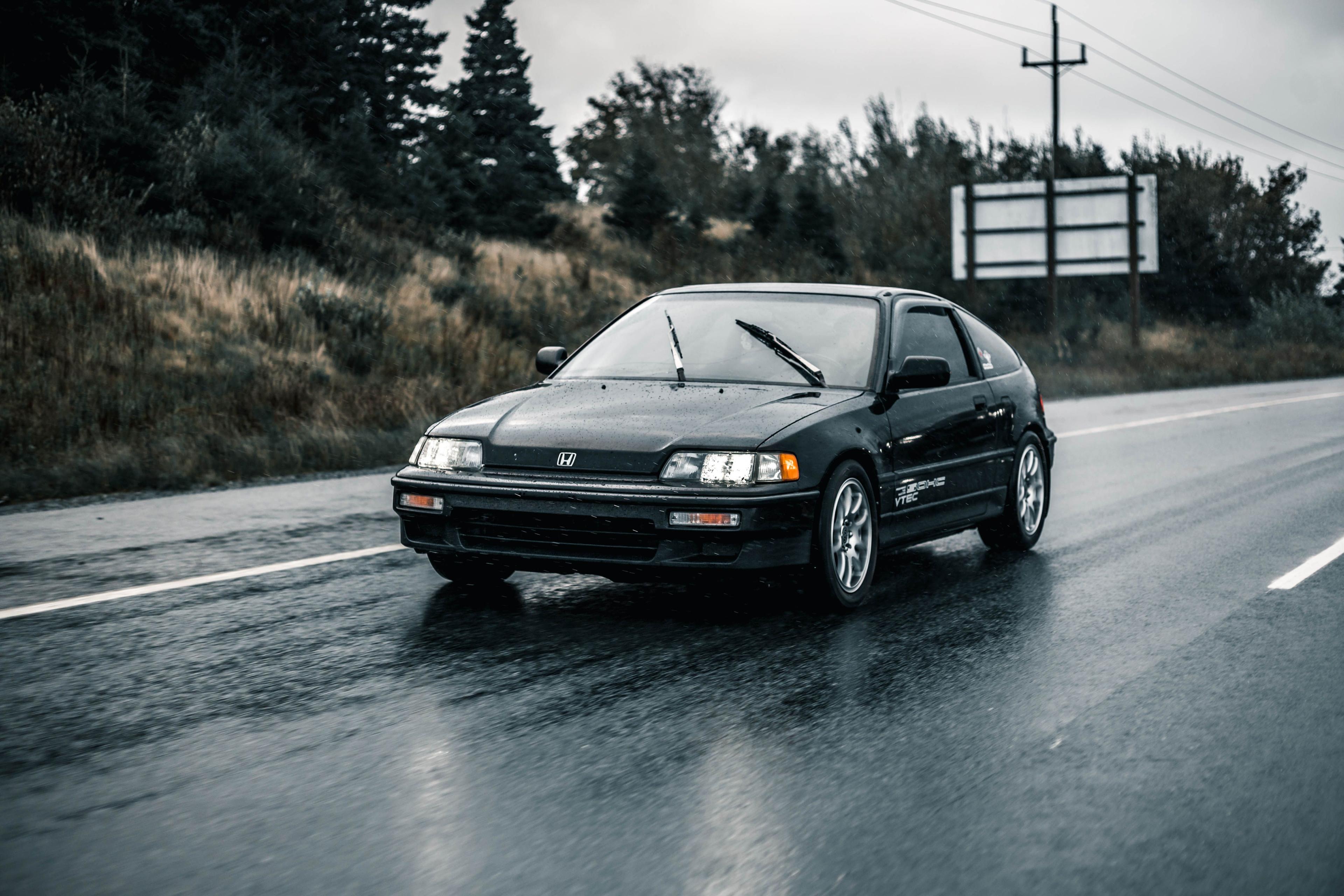
Sacramento car wash deals for winter rain and tule fog raise a fair question: why wash a car that's about to get wet again? Because rain and fog leave grime, not a clean car. Here is when washing in the wet season pays off, what to watch for, and how to find deals that make it easier on your wallet.
Sacramento Car Wash Deals for Winter Rain and Tule Fog: The Short Answer
Let's get right to it. Yes, you should still wash your car in the wet season. Not as often as in the dusty, 100-degree summer, but regularly, and with a little timing strategy.
A lot of people skip winter washes because "it's just going to rain again." It's a reasonable thought, and it's mostly wrong. Rain isn't a car wash. It rinses off some loose dirt, sure, but it also mixes with dust and road grime to leave a gritty film and spots. Tule fog adds a damp, dirty coating to everything. And all of that sits on your paint, glass, and lights, right when you need to see well.
So the real question isn't "should I wash in winter?" It's "when, how often, and how do I do it without wasting money?" That's what this guide covers. And since it's about deals, we'll look at how to find them too, because the wet season is a great time to stock up on washes you can use on the dry days in between.
What Rain Really Does to Your Car
Sacramento's rainy season usually runs from late fall into early spring, and the National Weather Service Sacramento office can give you the forecast and storm outlook. After a long, dry summer, the first rains are especially messy, because they wash months of dust off roofs, roads, and trees, and plenty of it ends up on your car.
Here's what rain leaves behind:
Water spots. Raindrops carry dust and minerals. When they dry, they leave spots on paint and glass.
A muddy film. Rain plus road dust equals a gritty coating, especially on the lower half of the car.
Road spray. Wet roads kick up oil, grime, and brake dust onto your doors, wheels, and rear end.
Mud in the wheel wells and underbody. It hides and holds moisture against metal parts.
Leaf and debris stains. Fall and winter storms drop leaves and sap onto your paint.
Dirty glass. Wipers smear grime across the windshield, which gets worse at night.
None of this is dramatic on day one. But left for weeks, it builds up and can dull the paint and hide problems.
What Tule Fog Does
If you've lived here a while, you know tule fog. It's the thick, low fog that settles in the Central Valley, often on cold, still mornings. It can cut visibility dramatically, and it leaves its own kind of mess.
Damp, dirty film. Fog droplets carry dust and pollutants, and they settle on paint, glass, and trim.
Constant moisture. Your car stays wet for hours, which makes grime stick.
Foggy glass inside and out. Interior moisture and film can make fogging worse.
Dirty cameras and sensors. On newer cars, driver-assist cameras and sensors can get blocked.
Dim headlights. Dirty or hazy headlights are less effective when you need them most.
Fog is also a safety issue. Clean glass, clear lights, and good wipers help you see and be seen on those whiteout mornings along Highway 99, I-5, and Highway 50.
Best Times to Wash in the Wet Season
Timing matters a lot more in winter. Here's what works:
Between storms. Wash on a dry day after a rain, once the roads and trees have stopped dripping.
After the rain dries. Wash after a storm to remove the film before it hardens.
Midday or afternoon. Temperatures are warmer, and the car dries better.
Before a long stretch of rain. If a wet week is coming and your car has wax or sealant, a fresh wash and protection can make rain bead off and keep dirt from sticking.
After Sierra trips. Heading to Tahoe or the foothills? Mountain highways can be treated with salt, brine, or de-icing products during winter storms, and those can speed up corrosion. The Caltrans website has information on winter road conditions. A prompt wash, including the underbody, is smart after a snowy drive.
Avoid washing near freezing. On cold mornings with frost or freezing temps, wet door seals, locks, and handles can freeze. Wait for it to warm up, and dry seals well afterward.
A simple rule is to wash every two to three weeks in winter, more often if you drive through mud, road work, or the mountains.
Does Washing Right Before Rain Waste Money?
Not entirely. Here's why it can still be worth it:
A clean car with fresh wax or sealant sheds rain better, so water beads and rolls off instead of sitting.
Washing removes grime that would otherwise mix with rain and make mud.
Rain won't undo the benefit of clean wheel wells and underbody.
But if you're only washing and not protecting, a wash right before a big storm gives you less benefit. A better plan is to wash and add protection, so you get more out of it.
Wash Types for the Wet Season
Different washes shine at different times:
Express wash: Quick, affordable, and great for regular grime removal. Look for good dryers, since leftover water spots show up fast.
Touchless wash: Gentle on paint and good for rinsing off winter film. Browse touchless options on Carbubly.
Hand wash: More thorough, with better attention to wheels, lower panels, and door jambs where mud collects. See hand wash options.
Mobile wash: A van comes to you, which can be handy on dry days when you don't want to wait in line. Carbubly's FAQ says participating mobile detailers can offer services depending on location and service area.
Detail: A winter detail with protection and interior cleaning is a great way to prep for the rainy months. Explore full-service detailing.
A good wet-season combo is a regular wash every few weeks, an underbody rinse if you've been in mud or mountains, and one protection service early in the season.
Protect Your Car Before the Rain Starts
A little prep goes a long way. Before the wet season hits, consider:
Wax or paint sealant. Helps water bead and dirt release. Sealants usually last longer than wax.
Glass water-repellent treatment. Makes rain roll off the windshield and improves visibility.
New wiper blades. Summer sun cracks rubber, so replace them before the rains. Streaky wipers are dangerous in fog and rain.
Clean headlights. Hazy or yellowed lenses cut visibility. A restoration with a UV sealant can help.
Check your tires. Good tread matters on wet roads, and the right pressure improves grip.
Check lights and wiper fluid. Make sure everything works.
Your Tule Fog Visibility Checklist
Fog is one of those times when small things matter. Here's a quick checklist:
Clean the windshield inside and out. Interior film worsens glare and fogging.
Replace worn wiper blades.
Top off washer fluid.
Make sure headlights and taillights work and are clean.
Wipe cameras and sensors gently with a clean microfiber if your car has them.
Use low beams in fog, not high beams, which reflect back and make visibility worse.
Slow down and leave extra space.
Use your defroster and AC to clear interior fog.
If your windshield looks hazy even after cleaning, it might be a film that needs special treatment. Our articles hub has more guides on glass and headlight care.
Don't Forget the Interior
Wet weather brings moisture inside on shoes, coats, and umbrellas. That can lead to musty smells and foggy windows.
Use rubber floor mats or liners. They catch water and mud.
Dry the floor mats. Take them out and let them dry if they get soaked.
Don't leave wet items in the car. Umbrellas, towels, and gym bags cause smells.
Run the AC sometimes. It helps dry the air and defog the windshield.
Replace the cabin air filter on schedule. A dirty one can make the car smell musty.
Clean the glass inside. Film makes fog worse.
If a musty smell sticks around, it could be moisture in the carpet or foam. A deep interior cleaning can help.
How to Find Sacramento Car Wash Deals for Winter Rain and Tule Fog
Now the money part. Winter is a great time to buy ahead, since you can purchase washes and use them whenever there's a dry window. Here's my checklist:
Look for bundles. Multi-wash packs lower your cost per wash.
Read what's included. Exterior only? Wheels? Underbody rinse? Glass?
Check hours. Short winter days mean you want a wash that's open when you can go.
Think flexibility. A deal you can redeem anytime fits unpredictable weather.
Check size fees and terms. Expiration, appointments, and how to redeem.
Confirm the business. Look for a named provider with a real address.
Carbubly's FAQ describes the platform as a place where you buy a deal, find the QR code in My Orders, and present it at the participating car wash. Deals are "buy today, redeem anytime," subject to the deal terms and the business remaining active on the platform, which is handy when the forecast keeps changing. Offers vary by city and change often, so I'm not pointing to a specific deal here. Check the locations page and the homepage for what's currently available around Sacramento.
For a local example of the info you want, Bubble Bee Car Wash in Citrus Heights lists hand wash packages from $30 to $60 on its Carbubly provider page, notes that larger vehicles may have an extra $15 charge, and says regular washes are walk-in. It also offers detailing, and suggests calling ahead for it. Its listed weekday hours end around 5 or 6 PM, which matters in short winter days, so confirm before you go. It's in Citrus Heights, not Sacramento proper.
If you've got questions about how deals work, the How It Works page and the About page are good places to start.
The Math: A Wet-Season Wash Plan
Let's do a made-up example. Say the wet season runs about 16 weeks, from November through February. You wash every 2 to 3 weeks, so about 6 washes. You also add one protection service early on.
6 washes at $25 each = $150
1 protection service (sealant) at $60 = $60
Full price total: $210
With deals that save about 35%:
6 washes at about $16 each = $96
1 protection service at $39 = $39
Deal total: $135
You save about $75
That's a lot less than dealing with dirty glass, stained paint, or rusting underbody parts later. Use your own prices, of course.
Mistakes to Avoid in the Wet Season
Assuming rain is a wash. It leaves spots and film.
Washing near freezing. Seals and locks can freeze.
Skipping the underbody after mountain trips. De-icing products can cause corrosion.
Ignoring worn wipers. They're a safety issue in rain and fog.
Forgetting the interior. Moisture leads to smells and fogged glass.
Using high beams in fog. They make visibility worse.
Waiting too long. Grime builds up and gets harder to remove.
Washing at home and letting soapy runoff go down the drain. The EPA explains how runoff affects local waterways, and in the wet season, runoff has even more places to go, so a professional wash is often the better choice.
For local city information, the City of Sacramento website is a good starting point.
A Note for Sacramento Car Wash Owners
If you run a wash or detail business in Sacramento, the wet season is a great time to promote "winter prep" and "after-storm cleanup" packages. Customers want clean glass, protected paint, and an underbody rinse, and they often buy ahead for dry days. Clear descriptions and flexible redemption help. The Carbubly business page explains how to list your deals with zero upfront cost.
The Bottom Line on Sacramento Car Wash Deals for Winter Rain and Tule Fog
So, should you wash in the wet season? Yes, just smarter. Wash between storms, protect your paint and glass, keep your wipers and lights in good shape, and rinse the underbody after mountain trips. Don't wait for rain to do the job, because it won't.
Then use deals to keep it affordable. Buying ahead gives you flexibility for the dry windows, and bundles can bring the per-wash cost down. Just read what's included, check the hours, and buy what you'll use.
Ready to look around? Head to the Carbubly homepage and see what's available near you.
Frequently Asked Questions About Sacramento Car Wash Deals for Winter Rain and Tule Fog
1. Should I wash my car in the winter in Sacramento?
Yes. Rain and tule fog leave dirt, spots, and film on your car, and mud and road grime build up. Washing every two to three weeks helps protect your paint and keep your glass and lights clear.
2. Does rain wash my car for me?
No. Rain rinses off some loose dirt, but it mixes with dust and road grime and leaves spots and a gritty film when it dries. It's not a substitute for a proper wash.
3. Is it okay to wash my car right before it rains?
It's not a waste, especially if your car has wax or sealant, since a clean, protected surface sheds rain better. A wash right before a storm just gives you less benefit than one followed by a dry stretch.
4. How often should I wash my car in the rainy season?
About every two to three weeks is a good guide, and more often if you drive through mud, road work, or the mountains. Wash on a dry day between storms.
5. Does tule fog damage car paint?
Tule fog itself isn't harmful, but it leaves a damp, dirty film that can stick to paint and glass. Regular washing and a layer of wax or sealant help keep it from building up.
6. How do I improve visibility on foggy mornings?
Clean the windshield inside and out, replace worn wipers, keep headlights clean, use low beams, and run the defroster or AC to clear interior fog. Slow down and leave extra space.
7. Should I rinse my car's underbody after mountain trips?
It's a smart idea. Mountain highways can be treated with salt or de-icing products in winter, and those can speed up corrosion. A wash that includes an underbody rinse helps remove them.
8. Can I wash my car when it's near freezing?
It's best to avoid it. Wet door seals, locks, and handles can freeze. If you do wash in cold weather, dry the seals well afterward.
9. Are car wash deals good in the wet season?
They can be. Buying ahead lets you use washes on dry days, and bundles lower your cost per wash. Carbubly describes deals as buy today, redeem anytime, subject to the deal's terms.
10. How do I know a car wash deal is legit?
Look for a named business with a real address, clear terms, secure payment, and an easy way to redeem. Carbubly lists participating local providers, and each deal page shows the details before you buy.