Roof Rack Cleaning for Your Car in Citrus Heights: Deals
13 min readBy Neil Go · SENIOR SEO SPECIALIST
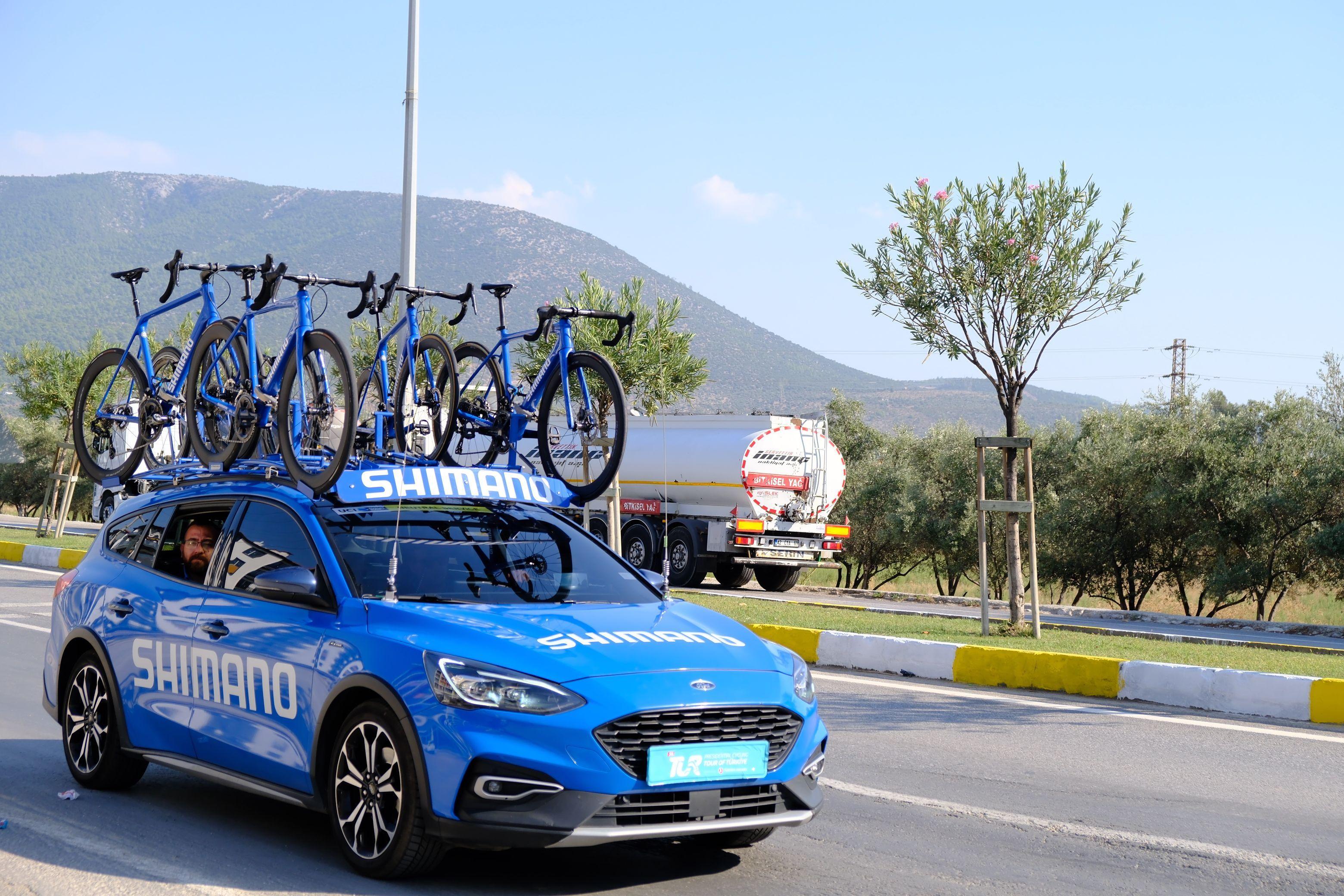
Roof rack cleaning for your car in Citrus Heights matters more than most people think. Grit trapped under bike mounts and ski clamps scratches paint, and salty winter roads can eat metal. Here is how to clean roof, bike, and ski racks before and after trips, and how to find car wash deals that work.
Roof Rack Cleaning for Your Car in Citrus Heights: Why It's Worth the Effort
If you've got a roof rack, a bike carrier, or a ski box, you're probably the outdoorsy type. Weekends in Tahoe, rides along the American River, a long drive to the mountains with the gear strapped on top. Great. And then the trip ends, the car goes in the driveway, and the rack stays on, caked with road grime and slowly rusting or rubbing against your paint.
Here's the thing. Racks are one of the most overlooked parts of car care. They live in the worst conditions: wind, bugs, road salt, bird droppings, and the sun. And they sit right on top of your paint. Grit trapped under a rubber pad or a mounting foot acts like fine sandpaper every time the rack flexes or you tighten it down.
This guide covers how to clean racks and the roof underneath, what to do before and after trips, how to keep moving parts working, and how to use car wash deals to handle the rest. One honest note: I'm not pointing to a specific deal, since offers change. I'll show you what to look for on Carbubly.
What Kinds of Racks Are We Talking About?
The cleaning approach depends a bit on what you've got:
Crossbars and towers: The basic rack system that sits on your roof.
Bike carriers: Roof-mounted trays, or hitch or trunk racks that sit near the paint.
Ski and snowboard carriers: Clamp-style racks with rubber pads and locks.
Cargo boxes: Large storage boxes mounted on crossbars.
Kayak and canoe carriers: Cradles and straps.
Utility and ladder racks: For work trucks and vans.
All of them share the same basic issues: grit, moisture, salt, and stress on the paint where they touch.
What Trips Do to Your Rack and Your Car
Let's look at what you bring home from a trip.
Road grime and bugs. A long highway drive covers the front of the rack and the roof.
Tree sap and pollen. If you've camped or parked under trees.
Road salt and de-icers. Winter highways to Tahoe or the Sierra can be treated with salt, brine, or similar products. The Caltrans website has winter road condition information.
Mud and dust. From trailheads and dirt roads.
Bike chain lube and grease. It drips and smears onto the roof and rack.
Ski wax, salt, and slush. Skis and boots drag moisture and salt onto the carrier.
Moisture trapped under pads and boxes. Water gets in and stays.
Grit under mounting feet. The most damaging part for paint.
The longer all of this sits, the worse it gets. Salt and moisture can speed up corrosion on metal parts, and grit slowly wears the paint.
Before the Trip: Prep That Makes Cleanup Easier
A few minutes before you load up can save you a lot of work.
Wash and dry the car roof. Never mount a rack on a dirty roof. Grit under the pads will scratch the paint.
Clean the rack. Wipe crossbars, towers, and contact pads with a damp microfiber so they're free of grit.
Inspect the rack. Look for cracks, worn pads, loose bolts, or rust.
Check the manufacturer's instructions. They'll tell you how tight to make it and how to position it.
Consider protection. A fresh coat of wax or sealant on the roof helps dirt and grime release more easily. Some people use clear protective film under mounting points.
Mount it properly. Follow the instructions, and don't overtighten.
Pack smart. Secure gear well so nothing rubs or flaps against the paint.
After the Trip: The Cleanup Routine
When you get home, resist the urge to leave it for next time. Here's a simple routine.
Step 1: Remove the Gear
Take off bikes, skis, boxes, or kayaks, and set them aside. Washing around them is harder and less thorough. Check your manual before you wash the rack on the car.
Step 2: Rinse Everything
Rinse the rack, roof, and car with plenty of water to flush off salt, mud, and loose grit. Keep the pressure moderate, since high pressure can drive grit into seals and parts.
Step 3: Wash the Rack
Use car wash soap and a soft brush or mitt. Clean crossbars, towers, clamps, locks, and straps. Get into the corners where grit hides, and rinse well.
Step 4: Clean Under the Contact Points
If your rack comes off easily, remove it occasionally and wash and dry the roof underneath. Wipe contact pads and mounting feet. If it stays on, clean as close to the pads as you safely can.
Step 5: Wash the Rest of the Car
Wash the roof, hood, windshield, and the rest of the vehicle, top to bottom.
Step 6: Dry Thoroughly
Dry the rack, locks, hinges, and the roof. Water that sits in tight spaces leads to rust and mold.
Step 7: Lubricate and Inspect
Follow your rack manufacturer's instructions for lubricating locks, hinges, and moving parts. Check that bolts and fasteners are snug, and look for rust, cracks, and worn pads.
Special Notes by Rack Type
Bike Racks
Bike carriers collect chain lube, mud, and road spray. Clean the trays and straps, wipe up grease, and check the rubber pads that hold the bike. If you use a trunk-mounted rack, clean under the straps and pads where they touch the paint, since grit there can scratch.
Ski and Snowboard Racks
Ski carriers see salt, slush, and moisture. Rinse them thoroughly after snow trips, dry the clamps and rubber, and follow the manufacturer's advice on lubricating locks.
Cargo Boxes
Open the box and let it air out. Wipe the inside to remove damp gear residue, check the seals, and clean the outside like you'd clean the paint, with a gentle wash.
Kayak and Canoe Carriers
Rinse off salt, sand, and algae, especially after ocean or river trips. Clean the cradles, pads, and straps, and let straps dry fully to avoid mildew.
Work Truck Racks
Heavy-duty racks collect dirt, mud, and tar. A thorough wash and check of bolts and welds keeps them in good shape.
Can You Take a Car With a Roof Rack Through a Car Wash?
Often not, or only with caution. Many tunnel washes don't allow vehicles with roof racks, bike carriers, or cargo boxes, because the brushes and equipment can snag them and damage the rack, the car, or the wash. Some touchless bays can handle certain racks. The rules vary by business, so always check the wash's posted policy or call ahead.
If a tunnel isn't an option, hand washing or a mobile wash is usually the better choice. Hand washing also lets you clean the rack and roof properly.
How Often Should You Clean Your Rack?
A rough guide:
After every trip: A rinse, especially if you hit salt, mud, or lots of bugs.
Every month or two with regular use: A thorough wash and inspection.
Once or twice a year: Remove the rack, clean the roof underneath, and inspect everything.
Before long storage: Clean and dry everything thoroughly.
If left on year-round: Check more often, since grit and moisture build up.
The National Weather Service Sacramento office can tell you how hot and dry our summers get, and strong sun can fade and weaken rubber and plastic parts, so protecting racks from heat also helps.
Wash Options That Work With Racks
Hand wash: Usually the best choice, since the washer can work around the rack. Browse hand wash options on Carbubly.
Touchless wash: Some may allow racks, but check the policy. See touchless options.
Mobile wash: A van comes to you, so you don't have to drive a loaded car to a wash. Carbubly's FAQ says participating mobile detailers can offer services depending on location and service area.
Detail: Good for a deep clean of the roof and paint under the rack, plus protection. Explore full-service detailing.
Tunnel wash: Often not allowed with racks, so check first.
How to Find Citrus Heights Car Wash Deals for Rack Cleaning
Here's my checklist:
Check the rack policy first. A deal is worthless if the wash won't accept your rack.
Prefer hand wash or detail. They handle racks and roofs better.
Read what's included. Roof, rack, and trim cleaning might be extra.
Check size and height fees. Cars with racks, boxes, or tall loads may cost more.
Look at the terms. Expiration, appointments, and how to redeem.
Confirm the business. Look for a named provider with a real address.
Carbubly describes itself as a marketplace where you buy a deal, find the QR code in My Orders, and show it at the participating car wash, per its FAQ and How It Works page. Deals are "buy today, redeem anytime," subject to the deal's terms. Offers change often, so check the Citrus Heights page and the locations page for what's available.
For a local example of the kind of info you want, Bubble Bee Car Wash at 6225 Binet Drive in Citrus Heights lists hand wash packages from $30 to $60 on its Carbubly provider page, notes that larger vehicles may have an extra $15 charge, says regular washes are walk-in, and suggests calling ahead for detailing. I can't tell you whether it can handle a car with a loaded roof rack, so call first and describe your setup. Its listed weekday hours end around 5 or 6 PM, so confirm before you go.
The Math: What Does Rack Care Cost?
Let's try a made-up example. Prices vary, so use your own.
Say you take eight trips a year and do a rack rinse after each one at home, plus two professional hand washes and one detail.
8 home rinses: free, plus about $15 for brushes and microfiber
2 hand washes at $45 each = $90
1 detail at $120
Full price total: about $225
With deals that save about 30% on professional services:
Hand washes: about $63
Detail: about $84
Brushes and microfiber: $15
Deal total: about $162
You save about $63
Compare that to the cost of repainting a scratched roof, replacing a rusted rack, or fixing a stuck lock. Regular cleanup is far cheaper. Use your own prices, of course.
Mistakes to Avoid
Mounting a rack on a dirty roof. Grit scratches paint.
Leaving salt and mud on the rack. It speeds up corrosion.
Washing with the rack on and gear loaded. You'll miss spots.
Using a pressure washer up close. It can drive grit into parts and damage seals.
Overtightening mounts. It can damage paint and the rack.
Taking a rack through a tunnel wash without checking. It can cause damage.
Skipping lubrication and inspection. Locks stick and parts wear.
Leaving wet straps and pads. Mildew and rot.
Ignoring manufacturer instructions. They know their product.
If you wash at home, remember that soapy runoff can head into storm drains. The EPA explains how runoff affects local waterways. For local city information, the City of Citrus Heights website is a handy resource.
A Note for Citrus Heights Car Wash and Detailing Owners
If you can handle vehicles with racks, say so clearly. State your policy on roof racks, bike carriers, and cargo boxes, any height limits, and any extra fees. A "post-trip cleanup" package for outdoor enthusiasts, with rack and roof cleaning, could bring in loyal regulars. The Carbubly business page explains how to list your deals with zero upfront cost, and the articles hub has more guides for drivers and owners.
The Bottom Line on Roof Rack Cleaning for Your Car in Citrus Heights
So here's the takeaway. Racks collect grit, salt, and moisture, and they sit right on your paint, so a little care goes a long way. Clean the roof before mounting, rinse the rack after every trip, wash and inspect it regularly, dry everything, and follow the manufacturer's instructions. Don't assume a tunnel wash will accept your rack, and check the policy first.
Then use deals to keep the cost down. Choose hand wash or detail options, read what's included, ask about racks, and buy what you'll actually use. Your paint and your gear will both last longer.
Ready to look around? Head to the Carbubly homepage and see what's available near you.
Frequently Asked Questions About Roof Rack Cleaning for Your Car in Citrus Heights
1. How often should I clean my roof rack?
Rinse it after every trip, especially after salt, mud, or bugs. Give it a thorough wash and inspection every month or two with regular use, and remove it once or twice a year to clean the roof underneath.
2. Can a roof rack damage my car's paint?
Yes, if grit gets trapped under the pads or mounting feet. Mounting a rack on a dirty roof or leaving it on without cleaning can cause scratches. Clean the roof and pads regularly.
3. Can I take a car with a roof rack through a car wash?
Often not in a tunnel wash, since brushes and equipment can snag racks. Some touchless bays may allow them. Check the wash's policy or call ahead, and consider a hand wash or mobile wash.
4. How do I clean a bike rack on my car?
Remove the bikes, rinse the rack, wash it with car soap and a soft brush, wipe off grease, clean under the straps and pads, and dry everything. Check the manufacturer's instructions for lubricating moving parts.
5. How do I clean a ski rack or cargo box?
Rinse thoroughly after snow trips to remove salt, dry the clamps, rubber, and seals, and follow the manufacturer's advice on lubricating locks. For a cargo box, open it to air out and wipe the inside.
6. Does road salt damage roof racks?
Salt and moisture can speed up corrosion on metal parts. Winter highways to the mountains can be treated with salt or de-icers, so rinse and dry your rack soon after trips.
7. Should I remove my roof rack when I'm not using it?
It depends on how often you use it. Removing it reduces wind noise, wear, and gas use, and lets you clean the roof underneath. If it stays on, check and clean it more often.
8. Is a mobile car wash good for cars with racks?
It can be, since the washer comes to you and can work around the rack. Carbubly's FAQ says participating mobile detailers can offer services depending on location and service area. Availability varies, so confirm with the provider.
9. Do larger vehicles or those with racks cost more to wash?
Often, yes. Many shops charge extra for larger or taller vehicles. For example, Bubble Bee in Citrus Heights says larger vehicles may have an extra $15 charge, so ask before you buy.
10. How do I know a car wash deal is legit?
Look for a named business with a real address, clear terms, secure payment, and an easy way to redeem. Carbubly lists participating local providers, and each deal page shows the details before you buy.