


Removing Stubborn Tree Sap and Bird Droppings: A Rancho Cordova Driver's Guide
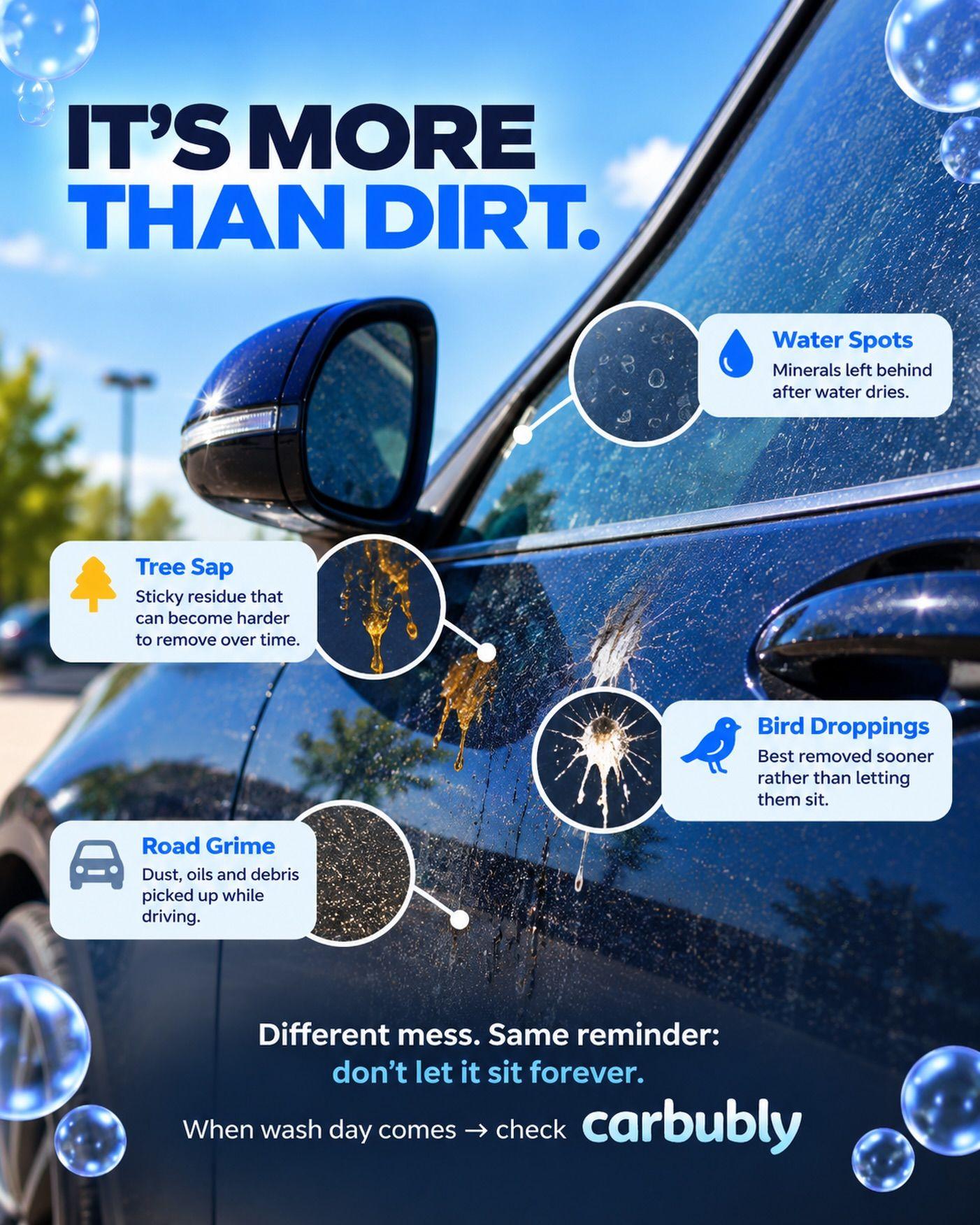
Removing stubborn tree sap and bird droppings from your vehicle requires the right products, the right technique, and the right timing. Left untreated, both contaminants can etch through your clear coat within days, especially under the intense Sacramento Valley sun.
Key Takeaways
Tree sap and bird droppings are acidic or resinous contaminants that cause permanent paint damage if not removed promptly.
Heat accelerates the damage: Rancho Cordova summers regularly push temperatures past 100°F, making fast action essential.
Never use fingernails, abrasive sponges, or dry paper towels to scrub these contaminants off your paint.
Isopropyl alcohol, dedicated sap removers, and enzyme-based cleaners are the most effective DIY solutions.
Professional detailing is the safest route when sap has hardened or droppings have already begun to etch the clear coat.
Prevention through regular washing, paint sealants, and strategic parking reduces your exposure significantly.
Why Rancho Cordova Drivers Face This Problem More Than Most
Rancho Cordova sits in the heart of the Sacramento Valley, surrounded by oak trees, eucalyptus groves, and a dense suburban canopy that makes parking under shade both tempting and risky. During spring and early summer, oak trees produce heavy sap runs and drop sticky tassels onto anything parked beneath them. By July and August, temperatures in the area routinely climb above 100°F, baking sap and bird droppings directly into your clear coat within hours.
Bird droppings present a particular chemical threat. Most people assume they are just a nuisance, but according to information published by the American Chemical Society, bird uric acid is corrosive and can soften and etch automotive clear coat surprisingly fast, particularly when exposed to heat. The lacquer on your paint actually expands under warm temperatures, allowing the uric acid to penetrate deeper before it hardens back in place as the car cools. The result is a frosty, etched patch that no amount of waxing will correct.
Tree sap is a different chemical problem. Pine and oak sap contain terpenes and resins that bond aggressively to paint surfaces at [](https://carbubly.com/). Once sap hardens, it becomes nearly impossible to remove without a solvent or mechanical action, and mechanical action without a lubricant almost guarantees a scratch.
How to Safely Remove Tree Sap at Home
The golden rule with sap removal is to soften before you scrub. Applying any friction to hardened sap without first breaking it down will drag it across the paint surface and leave scratches.
Step-by-step sap removal process:
Wash the car first to remove loose dirt and debris around the sap spot.
Soak a microfiber cloth in isopropyl alcohol (at least 70%, ideally 90%+) and lay it directly over the sap for 30 to 60 seconds.
Gently rub in small circular motions with light pressure. Do not scrub aggressively.
Repeat as needed. Most fresh sap lifts within two to three applications.
For older, hardened sap, use a dedicated automotive sap remover such as Turtle Wax Bug and Tar Remover or Goo Gone Automotive, both widely available at AutoZone and O'Reilly Auto Parts locations in Rancho Cordova.
After removing the sap, wash the area again with car shampoo and apply a layer of wax or paint sealant to protect the exposed clear coat.
One important note: rubbing compound should only be used as a last resort and only if you are confident in your technique. Applied incorrectly, it removes too much clear coat and causes more damage than the sap itself.
For drivers who prefer a professional touch, a hand car wash with trained technicians who know how to handle stubborn contaminants is often the most reliable first call before reaching for the solvent bottle.
How to Safely Remove Bird Droppings Without Scratching Your Paint
Speed matters more with bird droppings than with sap. Fresh droppings are relatively easy to dissolve. Dry droppings that have baked onto a hot surface are a different story.
Recommended method for fresh droppings:
Spritz the affected area with a dedicated bird dropping remover spray or a diluted solution of distilled white vinegar and water (1:3 ratio).
Let it sit for one to two minutes to soften the material.
Blot, do not wipe, with a clean damp microfiber cloth.
Rinse thoroughly and dry with a second clean cloth.
For dried or baked-on droppings:
Apply a small amount of WD-40 or a specific enzyme-based cleaner directly to the dried dropping.
Cover with a damp warm cloth and let it dwell for five minutes.
Use very light circular motions with a fresh microfiber cloth to lift the softened material.
Rinse, wash, and inspect for etching.
If the etching is visible as a dull, frosty patch after the droppings are removed, the clear coat has already been compromised. At this stage, light polishing with a finishing compound may restore clarity, but deeper etches require professional paint correction with a touchless car wash. The National Highway Traffic Safety Administration notes that maintaining a vehicle's protective coatings is directly tied to long-term structural integrity and resale value, making this more than just a cosmetic concern.
Products That Work and Products to Avoid
Not every product marketed for this purpose is safe on automotive paint. Some household options cause as much damage as the contaminants themselves.
Product
Safe for Paint
Best For
Notes
Isopropyl alcohol (90%+)
Yes, with care
Fresh and dried sap
Always follow with wax
Goo Gone Automotive
Yes
Hardened sap, tar
Not the standard Goo Gone formula
WD-40
Generally yes
Dried droppings, sap
Rinse off completely after use
Distilled white vinegar
Yes, diluted
Fresh droppings
Too strong undiluted for clear coat
Nail polish remover (acetone)
No
Nothing
Destroys clear coat instantly
Household glass cleaner
No
Nothing
Ammonia degrades paint sealants
Rubbing alcohol wipes
With care
Fresh droppings
Avoid repeated heavy use
Professional sap remover
Yes
All stages
Best results, safest option
Acetone deserves special emphasis here. It is commonly suggested in online forums as a fast fix for sap, but the Environmental Protection Agency's vehicle coating guidelines make clear that solvents beyond specified concentrations can degrade automotive finishes rapidly. On your actual paint, acetone will strip the clear coat in seconds. Avoid it entirely.
When DIY Is Not Enough: Knowing When to Call a Professional
There are several situations where a professional detailer is the right call rather than a second trip to the hardware store.
Seek professional help when:
The sap has been on the paint for more than two weeks and has fully hardened.
Bird dropping etching is visually obvious and doesn't improve after cleaning.
You notice swirl marks or scratches appearing during your DIY attempts.
The affected area is larger than your palm.
You drive a dark-colored vehicle where paint correction errors are highly visible.
A comprehensive approach to paint protection includes services such as full service car detailing that includes clay bar treatment, machine polishing, and paint sealant application for the most comprehensive solution. A thorough detailing session addresses not just the visible damage but also the microscopic contamination embedded in the paint surface.
Prevention Strategies Specific to Rancho Cordova Conditions
The best approach to tree sap and bird droppings is reducing exposure before it becomes a problem. Rancho Cordova's geography and climate create specific conditions worth planning around.
Practical prevention steps:
Park away from trees whenever possible, especially oak and pine trees that are heavy sap producers during spring.
Use a quality car cover if you park outdoors overnight in wooded neighborhoods.
Apply a hydrophobic paint sealant or ceramic coating, which significantly reduces the adhesion of both sap and bird droppings.
Wash your car every one to two weeks during spring and summer when sap production and bird activity peak.
Keep a quick-detail spray and microfiber cloth in your trunk so you can address droppings immediately rather than letting them bake onto the surface.
Drivers in nearby sacramento deal with similar challenges, given the region's dense urban tree canopy and warm climate. Residents in citrus heights face comparable sap and dropping exposure, particularly in older neighborhoods where mature trees overhang driveways and street parking.
According to Consumer Reports' vehicle care resources, consistent preventive maintenance, including regular washing and waxing, is one of the most cost-effective ways to protect a vehicle's resale value over time.
A ceramic coating applied by a certified detailer offers the strongest long-term protection. While the upfront cost runs from a few hundred to over a thousand dollars depending on the product tier and vehicle size, the reduced cleaning time and improved paint protection over several years make it a sound investment for Rancho Cordova drivers who park under trees regularly.
The Right Washing Routine to Maintain Paint Health Year-Round
Removing stubborn tree sap and bird droppings is only one part of a broader paint care routine. Without consistent washing habits, even well-protected paint accumulates micro-contamination that dulls its appearance and weakens its resistance to chemical damage.
A practical wash schedule for this region looks like this:
Weekly: Rinse and spot-treat any bird droppings or sap immediately.
Every two weeks: Full wash with car shampoo, dry, and inspect for contamination.
Monthly: Apply a spray wax or paint sealant booster to maintain the protective layer.
Every six months: Schedule a clay bar decontamination and full wax or sealant application, either at home or with a professional.
The platform at carbubly.com offers a convenient way to book wash and detailing services in the Rancho Cordova area, giving you access to professional-grade care without the guesswork.
Book Your Rancho Cordova Detail Before the Damage Gets Worse
Every hour that tree sap or bird droppings sit on your paint under the Sacramento Valley sun increases the risk of permanent etching. A professional wash or detailing appointment costs a fraction of what paint correction runs once the clear coat is compromised. Do not wait until a spot you could have wiped away in two minutes turns into a repair bill that costs hundreds of dollars. Visit Carbubly today and book the service that matches your paint's current condition.
Frequently Asked Questions
Q: How long does it take for bird droppings to damage car paint in Rancho Cordova's climate?
In hot weather above 90°F, bird droppings can begin etching clear coat within one to two hours.
The uric acid in bird waste softens your paint's clear coat as the surface heats up, allowing the acid to penetrate before the material dries and locks in place. Rancho Cordova summers make this window even shorter than in cooler climates. Addressing droppings the same day you notice them is always the safest approach.
Q: Can I use rubbing alcohol from my medicine cabinet to remove tree sap?
Yes, standard isopropyl rubbing alcohol works on fresh sap, but 70% concentration is less effective than 90% or higher.
The higher the isopropyl concentration, the faster it breaks down the resinous compounds in tree sap. Pharmacy-grade 70% alcohol will work with more dwell time and repeated applications, but 90% isopropyl, which is widely available at drugstores and hardware stores, produces noticeably better results. Always follow up with a car shampoo rinse and a wax application to protect the area you treated.
Q: Will a regular automated car wash remove tree sap and bird droppings completely?
Standard automated tunnel washes rarely remove hardened sap and may leave bird dropping residue, especially on dried or baked-on deposits.
The brushes and rinse cycles in a basic automated wash are designed for loose dirt and road grime, not chemically bonded contaminants. For surface-level or very fresh deposits, a touchless wash with high-pressure jets and specialized chemical sprays performs better without any risk of brush-induced scratches. For anything older than a day or two, a hand wash with targeted product application is far more effective.
Q: Is ceramic coating worth it for drivers who park under trees regularly?
Ceramic coating is one of the most effective long-term investments for drivers who face regular exposure to sap and bird droppings.
A properly applied ceramic coating creates a semi-permanent hydrophobic layer that significantly reduces the adhesion of organic contaminants. Sap and droppings are much easier to rinse off a ceramic-coated surface before they bond, and the coating itself resists the uric acid that etches unprotected clear coat. The upfront cost ranges from a few hundred to well over a thousand dollars depending on the product and application tier, but for Rancho Cordova drivers who park under oak or pine trees daily, the long-term protection and reduced cleaning effort make it a practical choice.
Q: What should I do if the bird dropping or sap has already etched my paint?
Once etching is visible as a dull or frosty patch, the clear coat has been damaged and cleaning alone will not restore the surface.
Light etching can sometimes be improved with a finishing polish or light machine compound applied carefully with a dual-action polisher. Deeper etches that have penetrated beyond the clear coat into the base coat require professional paint correction, and in severe cases, a panel repaint may be the only full solution. Acting quickly at the first sign of contamination is always the most cost-effective strategy, but if the damage is already done, consulting a certified detailer for an honest assessment is the right next step.
The Bottom Line on Removing Stubborn Tree Sap and Bird Droppings
Removing stubborn tree sap and bird droppings is not complicated when you act fast, use the right products, and follow a technique that prioritizes softening before scrubbing. The real risk for Rancho Cordova drivers is not a lack of available solutions; it is waiting too long before using them. Between the intense summer heat and the region's dense tree canopy, the conditions here are particularly unforgiving for paint that is left unprotected or left contaminated.
Build a simple routine around prompt spot treatment, regular washing, and periodic protective coating applications, and you will rarely face a situation that requires professional intervention. When you do need expert help, do not hesitate to reach out to a trusted local detailing service. Your paint's long-term health depends on consistent attention, and the earlier you address each contamination event, the better your results will be.