Classic Car Wash Deals in Elk Grove: Gentle Wash Options
13 min readBy Neil Go · SENIOR SEO SPECIALIST
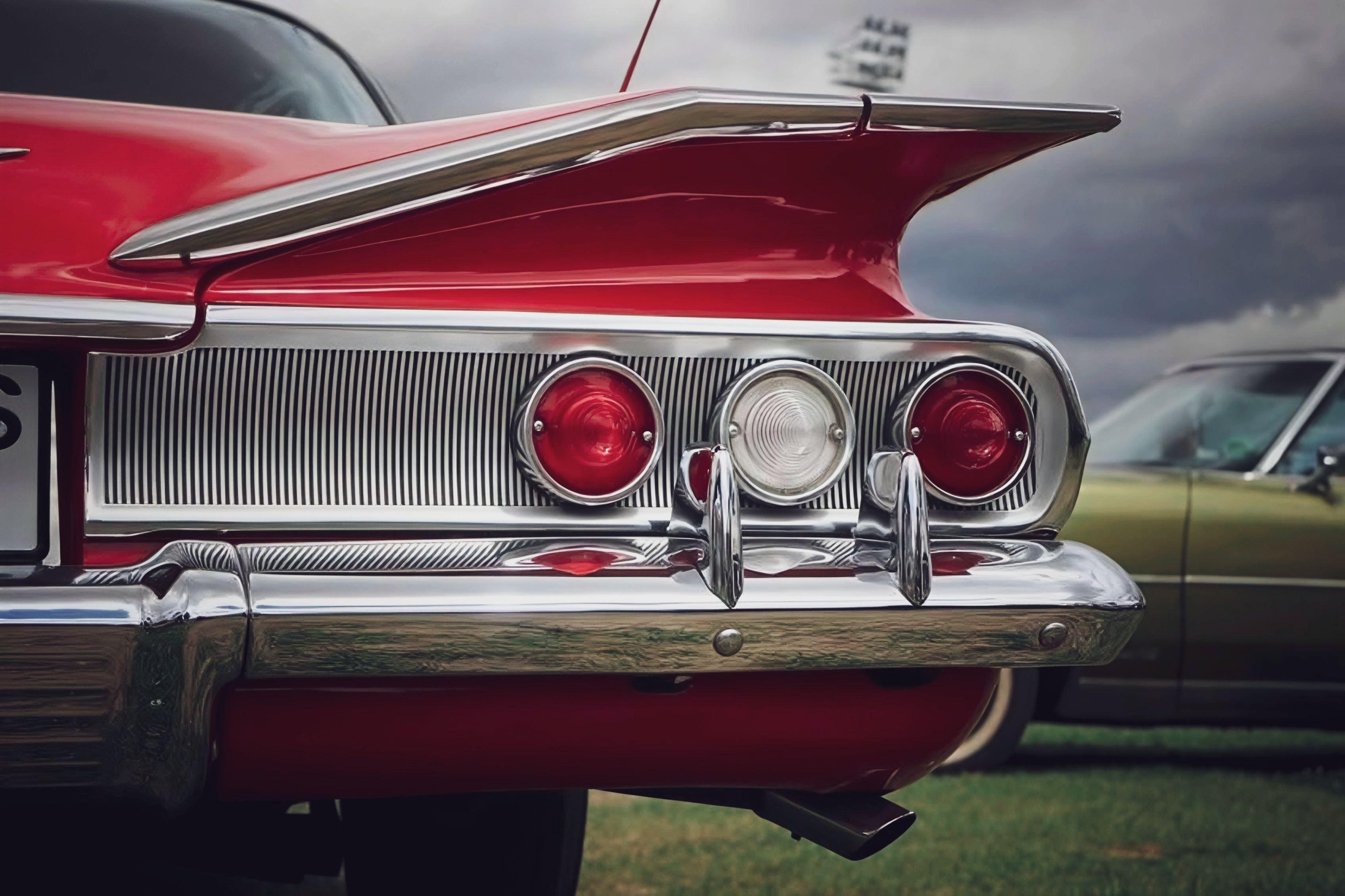
Finding the right classic car in Elk Grove is half the fun, and keeping it safe at the wash is the other half. Old paint, chrome, and rubber react to harsh methods differently than new cars. Here's how to choose gentle wash options, what to ask first, and how car wash deals can fit a vintage budget.
Classic Car Wash Deals in Elk Grove: Why Vintage Cars Need a Different Approach
If you own a classic car, you already know it isn't just a car. It's a project, a hobby, and probably a source of both pride and mild financial anxiety. So when it comes time to wash it, you don't want to just roll it through the nearest tunnel and hope for the best.
And you shouldn't. A modern car has a hard clear coat, sealed electronics, and rubber seals designed for modern washes. A classic car might have soft original paint, delicate chrome, aging rubber, a convertible top that's seen decades of sun, and gaps and seals that let water in where it shouldn't. Add decades of wear, and a wash that's perfectly fine for a new SUV can cause real damage to a vintage car.
The good news is that washing a classic safely isn't complicated. It's just careful. This guide covers what's different about vintage paint and parts, which wash methods are gentlest, what to ask a shop before you book, and how to use car wash deals to save without taking risks. One honest note: I'm not pointing to a specific classic car deal, since offers change. I'll show you what to look for on Carbubly.
What Makes a Classic Car Different?
Here's what's different about older vehicles:
Original paint. Many classics wear original single-stage paint, which has no separate clear coat. It's softer, can oxidize, and may show color on a rag when rubbed.
Thin or aged paint. Decades of sun and polishing can leave paint thin, so harsh methods can wear through.
Chrome and bright trim. Old chrome can be pitted or flaking, and delicate trim can scratch or lift.
Aging rubber and seals. Dried-out door, window, and trunk seals let water in and can tear easily.
Convertible tops. Vinyl or fabric tops need gentle cleaning and the right products.
Unique materials. Wood trim, original upholstery, and period-correct finishes.
Leaks and gaps. Older cars aren't as watertight as modern ones.
Rust risk. Water trapped in seams and under trim can cause corrosion.
Irreplaceable parts. Some pieces are hard or expensive to replace.
That's a long list, and it explains why classic owners are careful. The answer isn't to avoid washing. Dirt, dust, and bird droppings are bad for old paint too. It's to wash gently and thoughtfully.
Why Elk Grove Is Tough on Vintage Paint
Sacramento-area conditions matter for a car that might not see much use. The National Weather Service Sacramento office can tell you how hot and dry our summers get. Strong sun fades old paint, bakes dust and bird droppings onto the surface, and dries out rubber and vinyl. Dust from Highway 99 and nearby open land settles on a car, and if you wipe it dry, it scratches soft paint. Even a car stored in a garage collects a fine layer of dust.
That's why regular, gentle cleaning is so important. Letting dirt and droppings sit is rough on old paint, and wiping them dry is even worse.
Wash Methods Ranked for Classic Cars
Here's how the main options stack up. These are general guidelines, and every car is different.
Careful Hand Wash: The Best Choice for Most Classics
A gentle hand wash with clean mitts, plenty of water, and soft towels is generally the safest method for vintage paint. A good one looks like this:
A gentle rinse first, to lift loose grit
A mild, pH-balanced car soap
Clean wash mitts, with a separate rinse bucket
Washing from the top down, lightly, without pressing hard
Careful rinsing, with water kept away from known leaks and delicate areas
Drying with clean, soft microfiber towels, including seams and crevices
You can browse hand wash options on Carbubly, and read the descriptions closely.
Mobile Hand Wash: Convenient and Low-Stress
A mobile wash comes to you, so you don't have to drive a classic car to a wash. For cars that don't like to be driven much, that's a real plus. Carbubly's FAQ says participating mobile detailers can offer services depending on location and service area. Availability varies, so confirm with the provider, and make sure they're comfortable with classic cars.
Touchless Wash: Use Caution
No brushes touch the paint, which is a plus. But touchless washes use high-pressure water and stronger chemicals, which can force water into old seals, strip wax, and stress aging paint or trim. For a very original or fragile car, I'd generally skip it, or ask the shop. If you're curious, see touchless options on Carbubly.
Brush or Cloth Tunnel Wash: Avoid
Brushes and cloth strips can scratch soft paint, catch on trim and antennas, and damage old convertible tops. Many tunnels also have size and equipment limits. For a classic, it's best to avoid them entirely.
Self-Serve Bay With a Pressure Wand: Use Great Care
A self-serve bay can work if you keep the pressure low, stay back from seals, trim, and paint chips, and bring your own mitt and soap. Never use the foaming brush, which holds grit from other cars.
Detail: A Great Option for the Right Shop
A detailer with classic car experience can clean, polish, and protect your car carefully. It's often the best way to deal with oxidation, faded paint, or built-up grime. Explore full-service detailing options.
Special Care Points for Vintage Cars
A few things deserve extra attention.
Paint: Never wipe dry dust. Rinse first. If your paint is single-stage and you see color on the rag, ease up and tell the washer.
Chrome: Wash gently and dry thoroughly. Pitted or flaking chrome can be damaged by scrubbing, so use a soft touch.
Rubber seals and weatherstripping: Don't spray high-pressure water at them. Water can get past old seals and into the cabin.
Convertible tops: Use products made for your top material, and avoid harsh cleaners or brushes. Vinyl and fabric need different care.
Windows and vent glass: Be careful with old seals and delicate window frames.
Engine bay: Avoid spraying water into the engine bay of a classic, since older electrical systems and carburetors can be sensitive.
Undercarriage: A gentle rinse is fine, but avoid high pressure around old brake lines, seals, and wiring.
Interior: Original upholstery, headliners, and wood need gentle, minimal-moisture cleaning.
Wheels and tires: Check what products are safe for your wheels and avoid harsh acidic cleaners on old finishes.
Drying: Dry seams, door jambs, and crevices to prevent rust.
What to Ask a Shop Before You Book
A quick conversation can protect your car. Ask:
Have you worked on classic or vintage cars before?
Do you hand wash, and what do you use to wash and dry?
What products will you use on paint, chrome, and rubber?
Are you comfortable with original or single-stage paint?
How do you handle old seals, convertible tops, and engine bays?
Can I be present while you work?
Are you insured for damage to customer vehicles?
Is there an extra fee for older or unusual vehicles?
How long will it take, and do I need an appointment?
A good shop will welcome your questions. If they seem impatient or vague, find another one.
Should You Drive It to the Wash?
For a car that rarely runs or isn't fully road-ready, think about this. Short drives help avoid fuel and battery issues, but a long drive to a wash might not be wise. A mobile wash can solve that. Also check your tires, brakes, and fluids before you go, and avoid washing a hot engine or brakes with cold water.
How to Find Elk Grove Car Wash Deals for Classic Cars
Here's my checklist for deals:
Choose the right method first. Hand wash or detail with a careful shop, not a brush tunnel.
Read what's included. Specific descriptions beat words like "premium."
Ask about classic car experience. A deal isn't worth it if the shop isn't comfortable with your car.
Check for extra fees. Older or unusual vehicles may cost more.
Look at the terms. Expiration, appointments, and how to redeem.
Confirm the business. Look for a named provider with a real address.
Carbubly describes itself as a marketplace connecting drivers with participating independent car wash and detailing businesses, and says drivers can save up to 70%. You buy a deal, find the QR code in My Orders, and show it at the participating car wash, per the FAQ and How It Works page. Because each independent business does the actual work, methods and policies come from the provider, so read each listing. Offers vary by city and change often, so check the locations page for what's available around Elk Grove.
For a nearby example of the kind of info you want to see, Bubble Bee Car Wash in Citrus Heights says on its Carbubly provider page that it focuses on brush-free washing, using fresh wash mitts and microfiber drying, and that it works on sports cars, among other vehicles. It lists hand wash packages from $30 to $60, notes that larger vehicles may have an extra $15 charge, and suggests calling ahead for detailing. I can't tell you whether it handles classic cars with original paint, so ask. It's in Citrus Heights, not Elk Grove.
The Math: What Does Classic Car Care Cost?
Let's try a made-up example. Prices vary, so use your own.
Say you wash your classic every month, about 12 times a year, with a careful hand wash, and add one detail with polish and wax each year.
12 hand washes at $50 each = $600
1 detail at $250
Full price total: $850
With deals that save about 30%:
12 hand washes at $35 each = $420
1 detail at $175
Deal total: $595
You save about $255
Compare that to the cost of repainting a scratched or worn panel, which can be thousands of dollars on a classic. Gentle, regular care is far cheaper. Use your own prices, of course.
Storing and Protecting Your Classic Between Washes
Small habits make a big difference.
Store it indoors if you can. A garage protects from sun, dust, and droppings.
Use a breathable car cover. It keeps dust off, but only put it on a clean, dry car, and avoid covers that trap moisture.
Wax or seal the paint. Use products suited to your paint type.
Remove bird droppings and sap quickly. Soften with a wet towel, then lift gently.
Keep microfiber towels and quick detailer in the garage. For light dust, use a gentle approach and plenty of product.
Condition rubber and vinyl. Use products made for older materials.
Run the car occasionally. It helps keep seals, fluids, and parts in good shape.
Dry the car after any wash or rain. Moisture and rust are enemies.
For general classic car care information, Hagerty is a well-known resource for classic car owners.
Mistakes to Avoid
Using a brush tunnel. It can scratch, snag, and damage old trim.
Wiping dry dust. It scratches soft paint.
Using high pressure on old seals and engine bays. Water gets in.
Using harsh chemicals on old paint and chrome. They can strip and stain.
Washing in direct hot sun. Spots and streaks.
Skipping the drying step. Moisture leads to rust.
Using a shop that has never worked on classics. Ask first.
Buying a deal without reading it. Check the method and what's included.
If you wash at home, remember that soapy runoff can head into storm drains. The EPA explains how runoff affects local waterways. For local city information, the City of Elk Grove website is a good starting point.
A Note for Elk Grove Car Wash and Detailing Owners
If you have classic car experience, say so. Customers with vintage cars want to know you hand wash, use gentle products, and respect old paint, trim, and seals. A "classic care" package with a clear description could bring in loyal customers, especially with mobile service. The Carbubly business page explains how to list your deals with zero upfront cost, and the articles hub has more guides for drivers and owners.
The Bottom Line on Classic Car Wash Deals in Elk Grove
So here's the takeaway. A classic car needs a gentle, careful wash. Hand washing or a mobile hand wash is usually best. Avoid brush tunnels, be cautious with touchless washes and pressure, protect old seals and engine bays, dry everything, and ask the shop about their experience.
Then use deals to keep costs down. Read what's included, check the method, and make sure the shop is comfortable with your car. The cheapest deal isn't worth it if it harms your paint.
Ready to look around? Head to the Carbubly homepage and see what's available near you.
Frequently Asked Questions About Classic Car Wash Deals in Elk Grove
1. What's the safest way to wash a classic car?
A careful hand wash with clean mitts, a mild pH-balanced soap, plenty of water, and soft microfiber towels is generally safest. Avoid brush tunnels, wiping dry dust, and high pressure near old seals.
2. Can I take a classic car through an automatic car wash?
It's best to avoid brush and cloth tunnel washes, which can scratch soft paint and snag trim. Touchless washes use strong chemicals and high pressure, so use caution or ask the shop first.
3. Why is original paint on a classic car so delicate?
Many classics have single-stage paint with no separate clear coat, which is softer and can oxidize. Decades of wear can also leave paint thin, so harsh methods can wear through.
4. Is a mobile car wash good for a classic car?
It can be, since you don't have to drive the car. Carbubly's FAQ says participating mobile detailers can offer services depending on location and service area. Confirm availability and that the provider is comfortable with classic cars.
5. Can I pressure wash a classic car?
Use great caution. High pressure can force water past old seals, damage trim, and strip paint. If you do, keep the pressure low and stay back, and avoid the engine bay and seals.
6. How often should I wash a classic car?
Once a month works for many garage-kept cars, and more often if the car is driven or parked outside. Remove bird droppings, sap, and bugs quickly, using a gentle method.
7. Should I wax a classic car?
Often yes, with a product suited to your paint type. Wax or sealant protects against sun and dirt, but ask a detailer first, especially if you have single-stage paint or a matte finish.
8. What should I ask a shop before booking a classic car wash?
Ask about their classic car experience, how they wash and dry, what products they use, how they handle old seals and convertible tops, whether you can be present, and whether they're insured.
9. Does Bubble Bee Car Wash use brushes?
According to its Carbubly provider page, Bubble Bee focuses on brush-free washing, using fresh wash mitts and microfiber drying. It's in Citrus Heights, and I can't confirm its classic car experience, so ask before you book.
10. How do I know a car wash deal is legit?
Look for a named business with a real address, clear terms, secure payment, and an easy way to redeem. Carbubly lists participating local providers, and each deal page shows the details before you buy.