


Citrus Heights Car Wash Deals for Deep Interior Cleaning
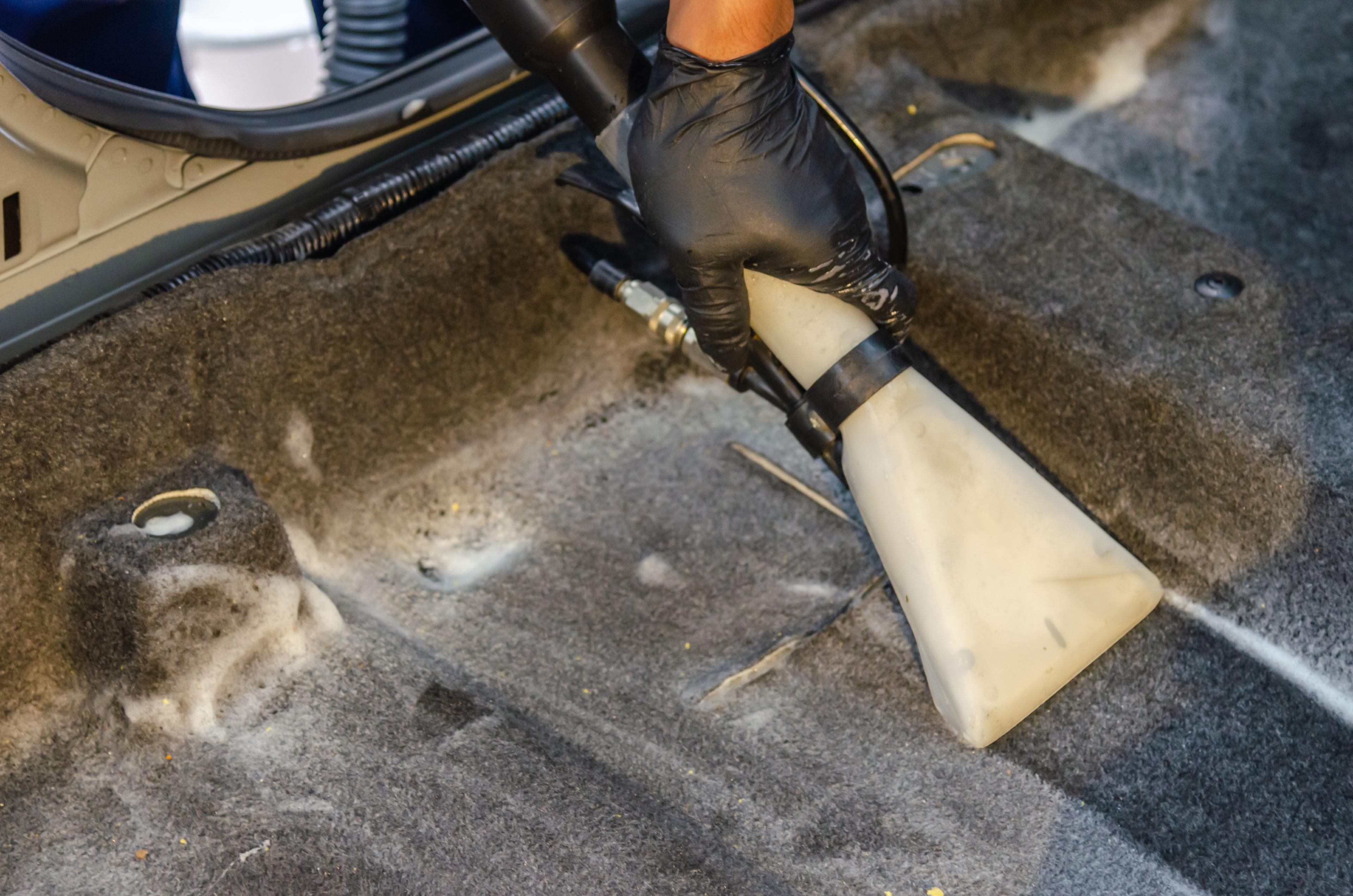
Citrus Heights car wash deals for deep interior cleaning make sense when a vacuum and a wipe-down just aren't cutting it. Odors, spills, and stains each need a different method, and the wrong one can set that problem in for good. Here is what works for what, and what to ask before you book any deal.
Citrus Heights Car Wash Deals for Deep Interior Cleaning: When Surface Cleaning Isn't Enough
You know the moment. You open the car door on a warm afternoon, and something hits you. Maybe it's sour milk. Maybe it's old fries. Maybe it's a smell you can't even name, which is somehow worse. You vacuum, you wipe, you hang a little tree from the mirror, and an hour later it's back, like a bad houseguest.
Here's the truth. When an interior smells, stains, or feels grimy even after you've cleaned it, the problem usually isn't on the surface. It's down in the foam, the carpet padding, the seams, or the vents. Surface cleaning can't reach it. That's where deep interior cleaning comes in, and why it's worth knowing which method fits which mess.
This guide is organized by method, because that's what actually matters. The right method on the right stain works wonders. The wrong one can lock a stain in or make a smell worse. We'll go through the main techniques, match them to common spills and odors, and then talk about how to find car wash deals that include the real work, not just a quick vacuum.
One honest note up front. Offers change all the time, so I'm not pointing you to one specific deal here. I'll show you what to look for and what to ask on Carbubly and anywhere else you shop.
Why Interiors Get Funky Around Citrus Heights
Our climate doesn't do your interior any favors. The National Weather Service Sacramento office can tell you how hot our summers get, and a closed car in the sun turns into an oven. Heat makes spills sour faster, bakes sticky messes into fabric, and makes every smell stronger.
Add everyday life around town:
Kids, snacks, and sports gear
Pets, hair, and the occasional accident
Fast food from the drive-thru on the commute
Sunscreen, lotions, and sweat
Dust and dirt tracked in on shoes
Moisture from rainy winter days, which can lead to musty smells
So a car that sits in a Citrus Heights driveway in July is a perfect setup for lingering odors.
The Methods: What Each One Actually Does
Let's walk through the main deep-cleaning methods, what they're good for, and where they fall short.
Method 1: Thorough Dry Cleaning (Vacuum, Brush, Compressed Air)
This is the foundation. A strong vacuum, stiff brushes, and compressed air pull out dry dirt, crumbs, sand, and hair from seats, seams, vents, and carpet.
Good for: Crumbs, dust, sand, pet hair, dry mud
Not enough for: Sticky spills, stains, and smells
Tip: Always do this first, since wet cleaning on top of dry grit makes mud
Method 2: Spot Cleaning and Blotting
A cleaner made for upholstery or carpet is applied to a small area, agitated gently, and then blotted up with a clean towel.
Good for: Fresh, small spills and light stains
Not enough for: Big spills, old stains, or deep odors
Tip: Blot, don't rub. Rubbing spreads the stain and damages fibers. Test the cleaner on a hidden spot first.
Method 3: Hot Water Extraction (the "Shampoo")
A machine sprays a cleaning solution into the fabric or carpet and then vacuums it back out, along with the dirt. It's what most people mean by "interior shampoo."
Good for: Deep dirt, many stains, general grime, and some odors
Not enough for: Very old or set-in stains that need special treatment
Tip: A good technician controls moisture, because soaked foam can stay damp and grow mildew
Method 4: Steam Cleaning
Steam loosens dirt, helps break down some residues, and can sanitize and freshen surfaces.
Good for: Vents, seams, cup holders, hard surfaces, and some fabrics
Not enough for: Heavy stains by itself
Tip: Steam can damage delicate materials if misused, so it's best handled by someone experienced
Method 5: Enzyme Treatment
Enzyme cleaners use natural enzymes to break down organic matter like milk, food, pet accidents, and vomit, which is exactly what causes many stubborn odors.
Good for: Organic stains and smells, like dairy, vomit, urine, and spilled food
Not enough for: Non-organic stains like ink or grease
Tip: Enzymes need time and moisture to work, and you need to follow the directions
Method 6: Odor Neutralizing Treatments
Some shops use treatments designed to neutralize odors after the source is cleaned, such as specialized sprays, fogging, or ozone or similar systems.
Good for: Lingering smells after the cause has been removed, like smoke or musty odors
Not a substitute for cleaning: If you leave the source in the car, the smell returns
Safety note: Ozone generators can be harmful to breathe, and the EPA's guidance on ozone generators explains the risks. Professionals who use them should follow safety procedures and air the car out fully. Ask any shop what they use and how they handle safety.
Method 7: Leather and Vinyl Cleaning and Conditioning
Gentle cleaner and soft brushes lift dirt from leather and vinyl, followed by conditioner to keep leather from drying and cracking.
Good for: Grime, body oils, and light stains on leather and vinyl
Not enough for: Deep dye stains, tears, and cracks
Tip: Use products made for leather and avoid harsh chemicals
Method 8: Low-Moisture Cleaning for Delicate Areas
Headliners (the fabric on the ceiling) and some other materials need very little moisture, since the adhesive can fail if it gets soaked.
Good for: Light stains on headliners and delicate trim
Tip: Don't soak a headliner, ever
Method 9: HVAC and Cabin Filter Service
Sometimes the smell is coming through the vents. A dirty cabin air filter or a musty air conditioning system can make the whole car smell, no matter how clean the seats are.
Good for: A musty smell when the AC or heat starts
Tip: Replace the cabin air filter per your manual, and ask a professional about the AC system if the smell persists
Stains by Type: Which Method Works
Here's a quick guide. Always test on a hidden spot first, blot instead of rubbing, and don't mix cleaning products.
Coffee, tea, soda: Blot up the excess, then use an upholstery cleaner. Hot water extraction handles larger or older stains.
Grease and oil: Blot, then use a cleaner made for grease. Don't rub it in. Heavy stains may need a pro.
Ink: Tricky. Use a product designed for ink, and test first. Old ink may not fully come out.
Blood: Use cool water, not hot, since heat can set it. Blot gently, then use an appropriate cleaner or enzyme product.
Milk and dairy: An enzyme treatment plus extraction works best, since dairy causes odors as it spoils.
Vomit: Remove solids, then use an enzyme cleaner and extraction. The smell often needs thorough treatment to disappear.
Pet accidents: Enzyme treatment and extraction. Urine can soak deep into foam, so thorough work matters.
Mud: Let it dry, vacuum it out, then spot clean or extract the leftover stain.
Melted chocolate or candy: Scrape off the excess, then use a cleaner and blot.
Crayon or marker: Often needs a specific product, and a pro can help.
Sunscreen and lotions: Spot clean and extraction help with oily marks.
Mildew or mold spots: This can be a moisture issue. Dry the area, find the source of the water, and consider a professional, since mold can be a health concern.
Not every stain comes out completely. Older, dried, and dye-based stains can be permanent, and an honest detailer will tell you what's realistic.
Odors by Type: What Method Works
Smoke: The hardest one. It soaks into fabric, the headliner, vents, and the cabin filter. It usually takes deep cleaning, filter replacement, and sometimes an odor treatment.
Food and fast food: Find the source (under seats, in crevices), clean it, then extract and neutralize.
Spilled milk or dairy: Enzyme treatment plus extraction.
Pet odor: Enzyme treatment, extraction, and pet hair removal.
Vomit odor: Same as above, with extra attention to foam and seams.
Gym bag or sweat: Clean fabric, wipe surfaces, and let the car air out.
Musty or mildew smell: Dry everything, find the moisture source, replace the cabin filter, and consider an AC service.
Chemical or sweet smell: If it smells like coolant, it may be a leak. Get it checked by a mechanic.
The big rule: remove the source first. Air fresheners and sprays only cover up a smell.
Match the Method to the Surface
Cloth seats and carpet: Good candidates for extraction. Control moisture.
Leather: Gentle cleaner and conditioner. Avoid soaking and harsh chemicals.
Vinyl and plastic: Mild cleaner and microfiber. Avoid greasy dressings that make surfaces slick.
Alcantara or suede-like materials: Delicate, so ask a pro who knows the material.
Headliner: Minimal moisture only.
Floor mats: Rubber mats can be washed. Carpet mats can be vacuumed and extracted.
DIY or Pro? How to Decide
DIY might be fine if:
It's a fresh, small spill
It's a light stain on a durable surface
You've got the right products and patience
Consider a pro if:
The smell won't go away
The stain is large, old, or dark
It's pet urine, vomit, spoiled milk, or mildew
The surface is delicate, like leather, a headliner, or suede-like material
You're preparing to sell, trade in, or return a lease
You don't want to risk making it worse
What to Ask Before You Book a Deep Interior Detail
A quick checklist will save you from disappointment:
Do you do hot water extraction or just surface cleaning?
What's included: seats, carpets, mats, headliner, door panels, vents?
Do you treat stains and odors, and is that extra?
What products or treatments do you use for odors?
How do you control moisture, and how long until it dries?
Is pet hair removal included?
Are there extra fees for heavy messes or larger vehicles?
How long will it take, and do I need an appointment?
Can you give an honest opinion on whether a stain will come out?
If the answers are clear and confident, that's a great sign. If they're vague, look elsewhere.
How to Find Citrus Heights Car Wash Deals for Deep Interior Cleaning
Here's how to shop smart for deals:
Read what's included. "Interior detail" can mean a quick vacuum or a full extraction.
Look for specifics. Words like "shampoo," "extraction," "steam," and "odor treatment" tell you more.
Check for add-ons. Stain, pet hair, and odor treatments may cost extra.
Watch for size fees. SUVs and minivans often cost more.
Check hours and booking rules. Detailing often needs an appointment.
Look at the terms. Expiration and how to redeem.
Confirm the business. Look for a named provider with a real address.
Carbubly's FAQ says the platform may feature deals for hand washes, full detailing, express washes, mobile detailing, and memberships, depending on availability. You buy a deal, find the QR code in My Orders, and show it at the participating car wash. You can browse full-service detailing options and the Citrus Heights page to see what's currently listed. Participating mobile detailers may also offer services depending on location and service area.
For a local example of the kind of information you want, Bubble Bee Car Wash at 6225 Binet Drive in Citrus Heights says on its Carbubly provider page that it offers interior and exterior detailing and interior shampoo services. It also lists hand wash packages from $30 to $60, notes that larger vehicles may have an extra $15 charge and that very dirty vehicles can require extra cleaning fees, and suggests calling ahead for detailing and other longer services. I can't tell you exactly what its interior packages include, so ask before you book, using the checklist above. Its listed weekday hours end around 5 or 6 PM, so confirm hours before you go.
If you have questions about how deals work, the How It Works page and the About page are good places to start.
The Math: What Could Deep Cleaning Cost?
Let's do a made-up example. Prices vary a lot, so use your own.
Say you've got a family car with a milk spill, some stains, and general grime:
Interior vacuum and wipe-down: $60
Seat and carpet shampoo (extraction): $100
Stain and odor treatment: $40
Full price total: $200
With a deal that takes 30% off:
Deal total: $140
You save about $60
Now compare that to the alternatives. Ignoring a spoiled milk smell can lead to a car that's unpleasant to drive, hard to sell, or a lease return charge. A deep cleaning is often cheaper than the headache. And if you keep up with regular care, you may only need a deep clean once or twice a year.
Mistakes to Avoid
Soaking seats or headliners. Trapped moisture causes mildew and smells.
Rubbing stains. It spreads them and damages fibers.
Using hot water on protein stains. It can set blood and some food stains.
Mixing cleaning products. Some combinations make dangerous fumes, so never mix chemicals, and ventilate.
Covering smells with air fresheners. They don't fix the cause.
Skipping the cabin air filter. It holds smells too.
Buying a deal without reading it. "Interior detail" isn't always deep cleaning.
Waiting too long. Fresh messes are much easier to treat.
Keep It Clean Between Details
Keep a small trash bag and microfiber cloths in the car
Use rubber floor mats or liners
Clean spills right away
Vacuum regularly
Use a sunshade in summer
Replace the cabin air filter on schedule
Don't leave food or wet items in the car
For local city information, the City of Citrus Heights website is a handy resource.
A Note for Citrus Heights Car Wash and Detailing Owners
If you offer deep interior cleaning, be specific about what's included. Words like "extraction," "enzyme treatment," "pet hair removal," and "odor treatment" help customers know what they're getting, and they set honest expectations about stains that may not fully come out. The Carbubly business page explains how to list your deals with zero upfront cost, and the articles hub has more guides for drivers and owners.
The Bottom Line on Citrus Heights Car Wash Deals for Deep Interior Cleaning
So here's the takeaway. Deep interior cleaning is about matching the method to the mess. Dry cleaning handles crumbs and dirt, extraction handles deep grime and stains, enzyme treatments tackle organic messes and the smells they cause, and steam, conditioning, and filter changes handle the rest. Always remove the source of an odor, never soak delicate surfaces, and be realistic about old stains.
When you shop deals, read what's included, ask the questions above, and book early since deep cleaning takes time. A good deal on real deep cleaning is worth a lot more than a cheap one that just vacuums.
Ready to look around? Head to the Carbubly homepage and see what's available near you.
Frequently Asked Questions About Citrus Heights Car Wash Deals for Deep Interior Cleaning
1. What's the difference between an interior detail and deep interior cleaning?
A basic interior detail often means vacuuming, wiping surfaces, and cleaning glass. Deep interior cleaning goes further, with methods like hot water extraction, steam, stain treatment, and odor treatment. Always read what's included.
2. How do I get a bad smell out of my car?
Find and remove the source first, then use the right method, like an enzyme cleaner for organic spills, extraction for fabric, and a new cabin air filter. Air fresheners only cover smells temporarily.
3. How do I remove spilled milk smell from a car?
Milk smell comes from spoiled dairy deep in the fabric and foam. An enzyme treatment plus hot water extraction usually works best, and the sooner you treat it, the better.
4. What is hot water extraction for car interiors?
It's a method where a machine sprays a cleaning solution into carpet or fabric and then vacuums it back out with the dirt. It's often called an interior shampoo, and it's good for deep grime and many stains.
5. Are ozone treatments safe for car odors?
Ozone can be harmful to breathe, and the EPA warns about ozone generators. If a shop uses one, ask how they handle safety and ventilation, and make sure the car is aired out fully before you drive it.
6. Can old stains be removed from car seats?
Sometimes. Fresh stains are much easier. Older, dried, or dye-based stains may not fully come out, and an honest detailer will tell you what's realistic.
7. How do I get pet urine smell out of a car?
Enzyme treatment plus thorough extraction is usually the best approach, since urine can soak deep into foam. It's often worth having a pro handle it for the best result.
8. Why does my car still smell after cleaning?
The source may still be there, like in the foam, under the seats, in the vents, or in the cabin air filter. Deeper cleaning, filter replacement, and sometimes an AC service can help.
9. Does Bubble Bee Car Wash offer interior shampoo in Citrus Heights?
According to its Carbubly provider page, Bubble Bee lists interior and exterior detailing and interior shampoo services at 6225 Binet Drive. It suggests calling ahead for detailing, so ask what's included before you book.
10. How do I know a car wash deal is legit?
Look for a named business with a real address, clear terms, secure payment, and an easy way to redeem. Carbubly lists participating local providers, and each deal page shows the details before you buy.